Airports are traditionally viewed as cold, impersonal spaces—bustling transit hubs where travelers pass through on their way to somewhere else. Yet, for frequent flyers and travel enthusiasts, certain airports transcend this stereotype, offering an unexpected sense of comfort and belonging. These exceptional airports somehow manage to create an atmosphere that feels less like a mere departure point and more like a familiar refuge. But what exactly makes some airports feel like home while others remain anonymous concrete structures?
The Power of Design and Architecture
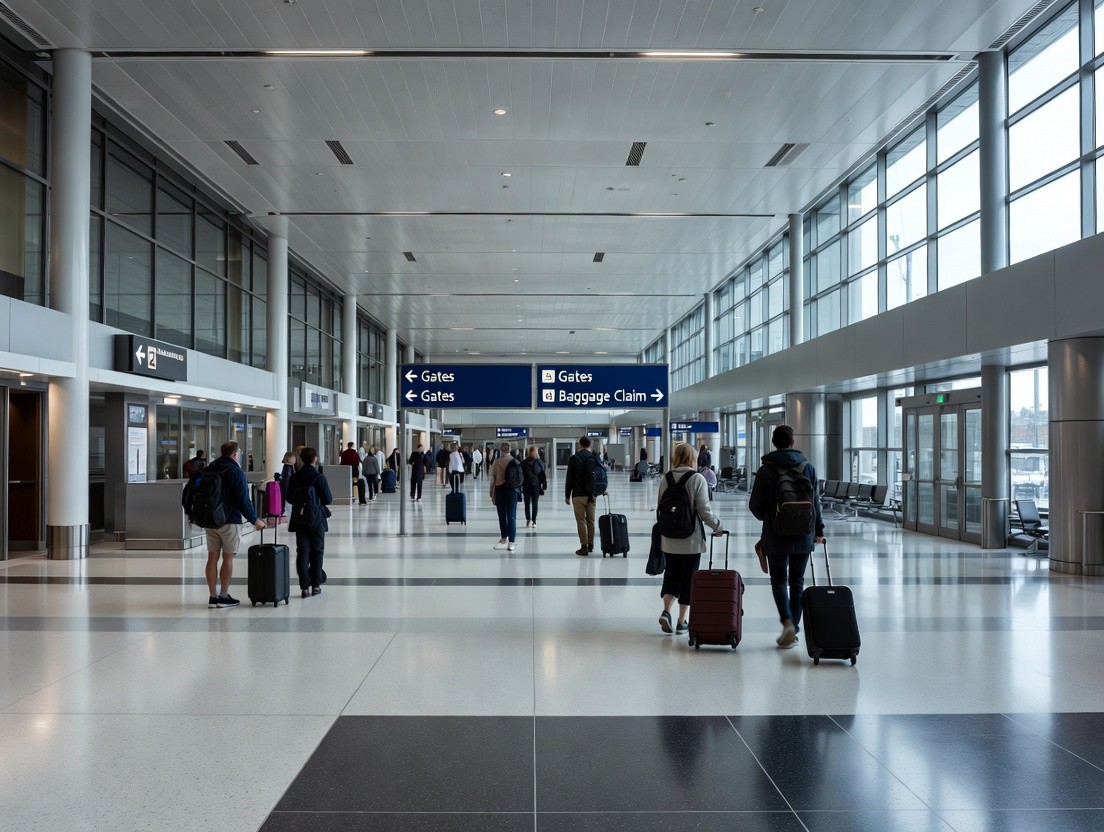
One of the most significant factors contributing to an airport's homey feel is its architectural design. Modern airports that prioritize aesthetics and human-centered design create spaces that are visually appealing and psychologically comforting. Large windows that allow natural light to flood interior spaces can significantly impact a traveler's mood and sense of openness.
Elements of Welcoming Design
Airports like Singapore Changi and Munich Airport incorporate:
- Lush indoor gardens and green spaces that bring nature indoors
- Spacious corridors that don't feel cramped or claustrophobic
- Clear, intuitive signage that reduces traveler anxiety
- Comfortable seating areas with adequate spacing
- Artistic installations and cultural displays that celebrate local heritage
These design choices don't just look good—they actively reduce stress and create an environment where travelers feel valued and respected.
The Role of Services and Amenities
Beyond physical design, the services and amenities offered by an airport play a crucial role in creating that "home away from home" experience. Airports that truly feel welcoming invest in amenities that address travelers' actual needs rather than simply maximizing commercial opportunities.
Essential Services That Matter
Top-ranked airports typically offer:
- Free, high-quality WiFi throughout the terminal
- Diverse dining options ranging from budget-friendly to upscale
- Shower facilities and rest areas for weary travelers
- Children's play areas and family-friendly spaces
- Business lounges and quiet zones for work or meditation
- Healthcare services and pharmacies
The Importance of Hospitality
Staff attitude significantly influences how an airport feels. Airports with well-trained, friendly employees create a welcoming atmosphere. When airport staff greet travelers with genuine smiles, provide helpful directions, and show cultural awareness, it transforms the entire experience. This human touch cannot be underestimated in creating a sense of belonging.

Cultural Connection and Local Identity
Airports that celebrate and showcase local culture create a unique sense of place that travelers find memorable and comforting. Rather than being generic international spaces, these airports tell the story of their location through art, food, music, and design.
Examples of Cultural Integration
Singapore Changi features local artists' works, while Tokyo's Haneda Airport incorporates traditional Japanese aesthetics throughout its terminals. These airports don't just move people from point A to point B—they introduce them to the culture and spirit of the destination. This creates a deeper emotional connection that makes frequent visitors feel they're returning to a familiar place with its own personality and charm.
Efficiency and Predictability
There's comfort in knowing what to expect. Airports that operate smoothly and predictably create a sense of security. When check-in lines move efficiently, security procedures are well-organized, and flight information is clearly communicated, travelers feel less anxious and more in control. This efficiency, paradoxically, creates a more intimate and manageable experience even in large, busy airports.
Community and Regular Visitor Experience
Some airports feel like home to people because they've spent considerable time there. Frequent travelers develop relationships with regular staff members, learn where their favorite coffee shop is located, and know exactly how much time they need to navigate from entry to departure gate. This familiarity breeds comfort and a sense of belonging.
Creating Loyalty Through Recognition
Progressive airports recognize this and create programs that reward frequent travelers. Loyalty programs, preferred lounge access, and even personalized services make regular visitors feel appreciated and valued—essential ingredients in creating a "home" environment.
The Intangible Factor: Atmosphere
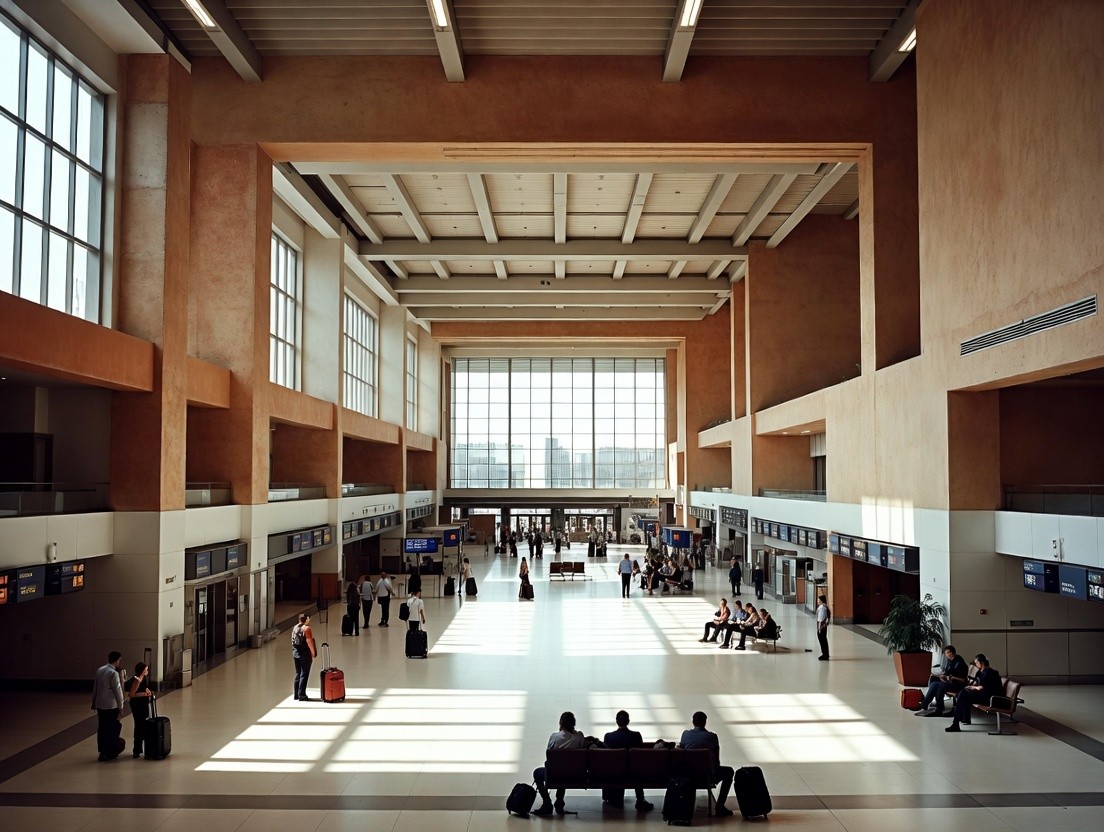
Perhaps most importantly, there's an intangible quality—an atmosphere—that distinguishes airports that feel like home from those that don't. Some airports maintain a calm, peaceful energy despite high passenger volumes. Others manage to feel energetic and exciting rather than chaotic and overwhelming. This atmosphere results from a combination of factors: good crowd management, pleasant music or soundscaping, appropriate lighting, and a general sense that the airport's management cares about passenger well-being.
Conclusion
Airports feel like home when they combine thoughtful design, excellent services, cultural authenticity, operational efficiency, and genuine hospitality. These exceptional airports understand that modern travel doesn't need to be a sterile, uncomfortable experience. By prioritizing passenger comfort and creating spaces that are both functionally excellent and emotionally welcoming, these airports transform the journey itself into a meaningful part of the travel experience. For frequent travelers, these airports cease to be mere transit points and become familiar friends—places where wanderers feel, if only briefly, at home.
