
When booking flights, most travelers simply search for their departure and arrival cities, then choose the cheapest option that appears. However, understanding how flight routes work can unlock significant savings that automated search engines often miss. The airline industry's complex network of hubs, alliances, and pricing strategies creates opportunities for savvy travelers to cut costs dramatically—sometimes by hundreds of dollars on a single ticket.
How Airlines Structure Their Route Networks
Airlines don't fly randomly between cities. They operate using carefully designed hub-and-spoke systems that concentrate traffic through major airports. Understanding this structure is fundamental to finding better deals.
The Hub-and-Spoke Model
Major carriers designate certain airports as hubs where they concentrate their operations. For example, Delta's primary hubs include Atlanta, Detroit, and Minneapolis, while United focuses on Chicago, Denver, Houston, and Newark. These hubs serve as connection points where passengers transfer between flights.
This system has important pricing implications. Flights to and from hub cities are often more frequent and sometimes cheaper due to higher competition and capacity. Conversely, direct flights between non-hub cities may be scarce and expensive because fewer airlines operate those routes.
Point-to-Point Routes
Low-cost carriers like Southwest and budget airlines in Europe and Asia typically use point-to-point routing instead. They connect cities directly without forcing passengers through central hubs, which can offer significant savings on certain routes. Understanding which airlines use this model helps you identify alternative routing options that traditional carriers don't offer.
Direct Flights vs. Connecting Flights: The Cost Analysis
The convenience of direct flights comes at a premium, but the cost difference varies significantly based on the route and timing.
When Direct Flights Are Worth It
- Short routes: On flights under three hours, the time saved with connections is minimal, and direct flights often cost only marginally more
- Business travel: When time is money, the productivity lost during layovers exceeds the ticket savings
- Traveling with small children: The stress reduction often justifies the extra cost
- Tight schedules: Connections introduce risk of missed flights and delays
When Connections Save Serious Money
International long-haul flights show the biggest price gaps. A direct flight from Los Angeles to Paris might cost $1,200, while routing through New York or Chicago could drop the price to $750. For leisure travelers with flexible schedules, this $450 savings for adding a two-hour layover represents excellent value.
Similarly, flying between secondary cities often requires connections anyway, so choosing the most economical routing doesn't add time but can significantly reduce cost. A flight from Nashville to Portland might connect through Denver or Phoenix—comparing these options can reveal $200+ differences.

Strategic Routing Techniques
Open-Jaw Ticketing
Instead of flying round-trip between the same cities, open-jaw tickets let you fly into one city and return from another. For example, flying into Rome and returning from Venice eliminates backtracking and often costs the same or less than traditional round-trips. This works especially well when exploring multiple destinations in a region.
Hidden City Ticketing
This controversial technique exploits airline pricing anomalies. Sometimes a flight from City A to City C (connecting in City B) costs less than flying directly from City A to City B. By booking the cheaper through-ticket and simply not boarding the second leg, travelers can save money.
Important caveats apply:
- Only works with one-way tickets or on the final leg of your trip
- Cannot check bags, as they'll be routed to the final destination
- Violates airline terms of service and could result in penalties
- Risk of unexpected gate changes or route modifications
While some travelers use this strategy, it requires careful consideration of the risks versus modest savings.
Positioning Flights
Sometimes driving or taking a cheap flight to a nearby major hub saves more money than flying directly from your local airport. If you live within 200 miles of a major hub, checking prices from both origins is worthwhile. A $50 positioning flight or drive might unlock $300 in savings on your main ticket.
Leveraging Airline Alliances and Partnerships
The three major airline alliances—Star Alliance, SkyTeam, and Oneworld—allow member airlines to sell seats on each other's flights. Understanding these partnerships reveals routing options that single-airline searches miss.
Multi-Carrier Routing Benefits
A single ticket might include flights on multiple airlines within an alliance. For instance, a United ticket to Bangkok could include a Thai Airways flight for the final leg. These partnerships often provide better routings and prices than sticking with one carrier throughout your journey.
Codeshare Flights
Codeshare agreements allow one airline to market another airline's flight under their own flight number. The same physical flight might have multiple flight numbers and different prices depending on which airline you book through. Checking partner airlines individually can uncover pricing discrepancies for the identical flight.
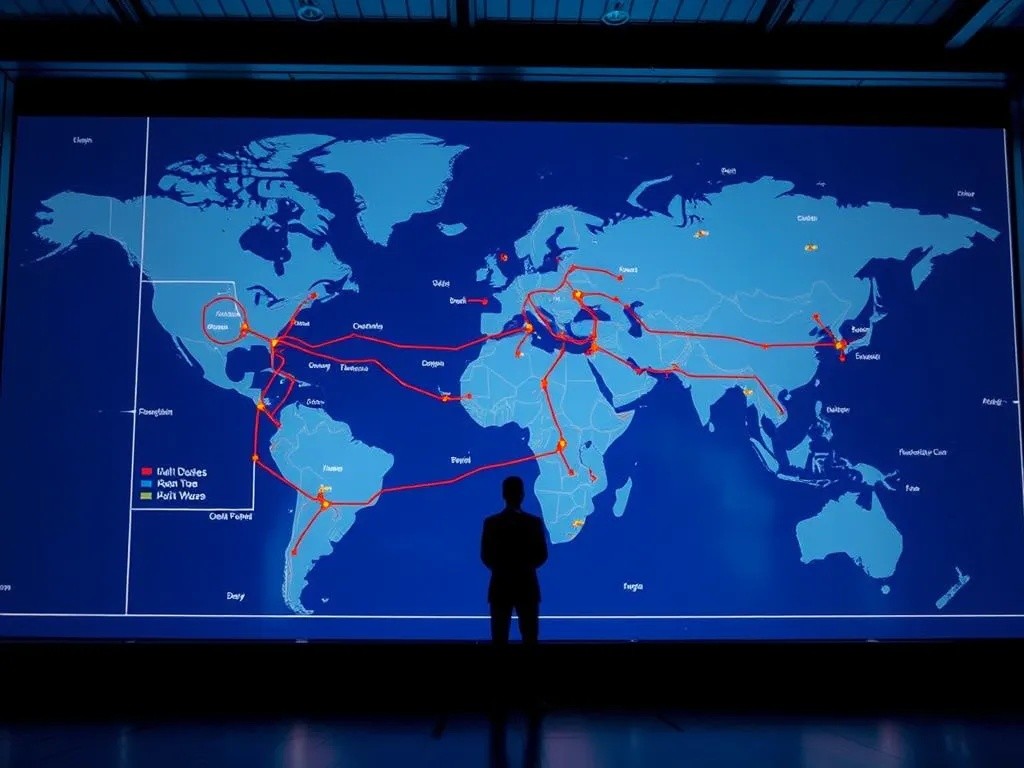
Tools and Strategies for Route Optimization
Use Multi-City Search Functions
Most booking engines have a multi-city or multi-destination search option that lets you manually build complex routings. This feature is essential for finding creative solutions that automated searches overlook. Experiment with different connection points and layover durations to find the optimal balance of price and convenience.
Compare Nearby Airports
Major metropolitan areas often have multiple airports. New York has three major airports (JFK, Newark, LaGuardia), London has six, and Tokyo has two. Prices can vary substantially between these options. Budget an extra hour for ground transportation and you might save hundreds on your flight.
Monitor Seasonal Route Changes
Airlines add and remove routes seasonally. A direct flight that doesn't exist in winter might appear in summer, or vice versa. Seasonal routes often feature promotional pricing when they launch, offering opportunities for significant savings if your travel dates align.
The Bottom Line
Understanding flight routes transforms you from a passive consumer to an informed strategist. By recognizing how hub systems work, comparing direct versus connecting options, exploring creative routing possibilities, and leveraging airline partnerships, you can consistently find flights that cost 20-50% less than the first option that appears in search results.
The time investment is minimal—perhaps an extra 15-30 minutes of research—but the savings compound across multiple trips per year. For frequent travelers, this knowledge can mean thousands of dollars in savings annually, plus the satisfaction of outsmarting opaque airline pricing algorithms. Start by applying one or two of these strategies on your next flight search, and you'll quickly develop an intuition for spotting routing opportunities that others miss.
