For many air travelers, turbulence is one of the most uncomfortable parts of flying. Even experienced passengers can feel uneasy when the aircraft suddenly shakes or drops slightly. For Russian travelers, who often take long-haul flights across vast distances, turbulence can seem especially intimidating. However, understanding what turbulence really is—and what it is not—can significantly reduce anxiety and make flights more comfortable.
The key point is simple: turbulence is a normal and expected part of flying. It is not a sign of danger, but rather a natural reaction of the aircraft to changes in airflow. By looking at the science and practical realities behind turbulence, it becomes much easier to approach it calmly.
What Is Turbulence?
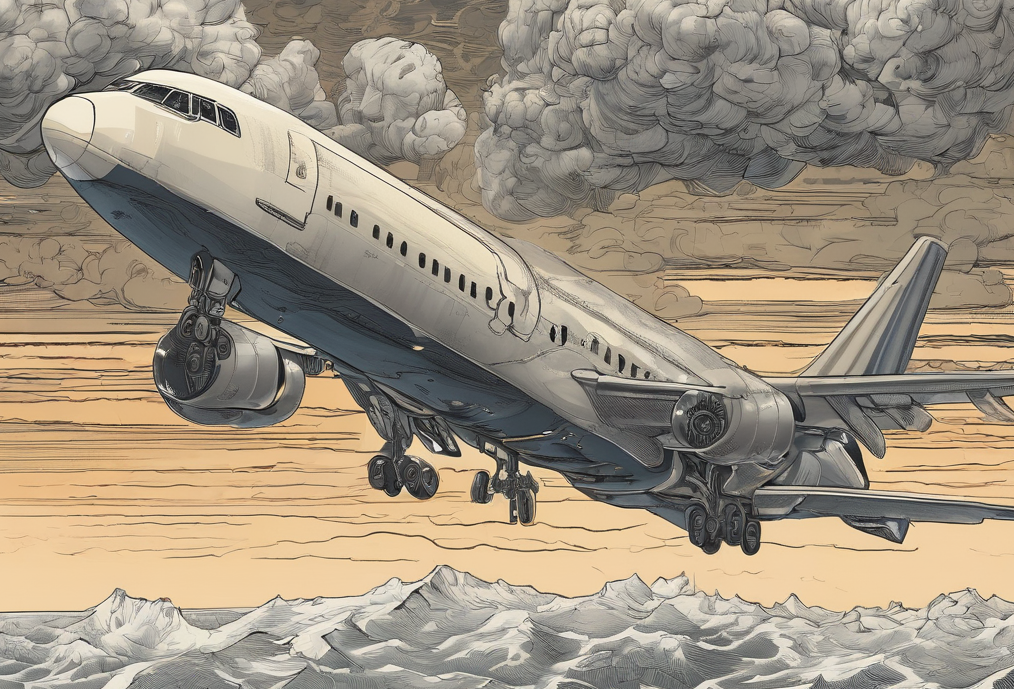
Turbulence refers to irregular or disturbed air movement that causes an aircraft to move slightly in different directions. It can feel like shaking, bumping, or brief drops, but in most cases, these movements are minor.
Airplanes are designed to handle turbulence with ease. In fact, pilots encounter it regularly and are trained to manage it as part of standard flight operations.
Simple explanation
- air is not completely smooth—it moves like waves;
- the plane passes through these moving air currents;
- this causes temporary motion changes;
- the aircraft remains fully under control.
For Russian passengers, especially those who are not frequent flyers, this comparison with waves can make turbulence easier to understand.
Types of Turbulence
Not all turbulence is the same. There are several common types, each with its own cause.
Common categories
- Clear-air turbulence — occurs at high altitudes without visible clouds;
- Thermal turbulence — caused by rising warm air, often during daytime;
- Mechanical turbulence — created by terrain such as mountains or buildings;
- Wake turbulence — caused by other aircraft.
Most turbulence experienced during flights is mild and lasts only a short time.
Why Turbulence Feels Worse Than It Is
One of the main reasons turbulence causes fear is the mismatch between perception and reality. What feels dramatic to passengers is often minor from a technical perspective.
Psychological factors
- lack of control over the situation;
- unexpected movements;
- unfamiliar environment;
- height above the ground;
- focus on bodily sensations.
For Russian travelers, especially those flying infrequently, these factors can amplify the experience.
How Aircraft Are Designed for Turbulence
Modern airplanes are built to withstand conditions far more severe than typical turbulence. Engineers design aircraft with flexibility and strength in mind.
Safety features
- wings that can flex significantly without damage;
- advanced materials that absorb stress;
- redundant systems for stability;
- continuous testing under extreme conditions.
In reality, turbulence is well within the limits that aircraft are designed to handle.
What Pilots Do During Turbulence
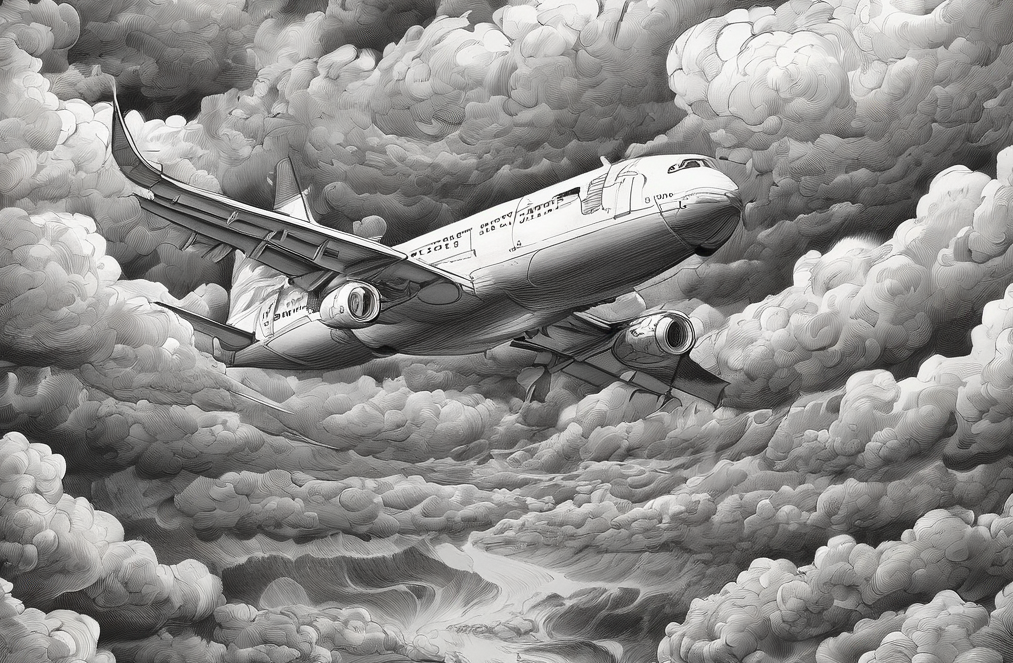
Pilots are highly trained to manage turbulence. They monitor weather conditions, communicate with air traffic control, and adjust the flight path if necessary.
Typical pilot actions
- changing altitude to find smoother air;
- reducing speed to minimize stress on the aircraft;
- communicating with other aircraft about conditions;
- alerting passengers to fasten seatbelts.
For Russian passengers, it is helpful to remember that turbulence is routine for pilots—it is not an emergency situation.
Is Turbulence Dangerous?
In the vast majority of cases, turbulence is not dangerous. The biggest risk is not the movement of the aircraft itself, but unsecured objects or passengers not wearing seatbelts.
Main safety points
- aircraft are built to handle turbulence;
- serious incidents are extremely rare;
- seatbelts significantly reduce risk;
- crew instructions are designed for safety.
For Russian travelers, following simple safety rules can make turbulence essentially a non-issue.
Practical Tips for Staying Calm
Understanding turbulence is helpful, but practical strategies can also make a big difference.
Ways to reduce anxiety
- keep your seatbelt fastened at all times;
- choose seats near the wing for less movement;
- focus on breathing and relaxation techniques;
- distract yourself with music, movies, or reading;
- avoid watching the wings constantly.
Russian passengers on long flights often benefit from preparing entertainment and comfort items in advance.
Why Long Flights Often Feel More Turbulent
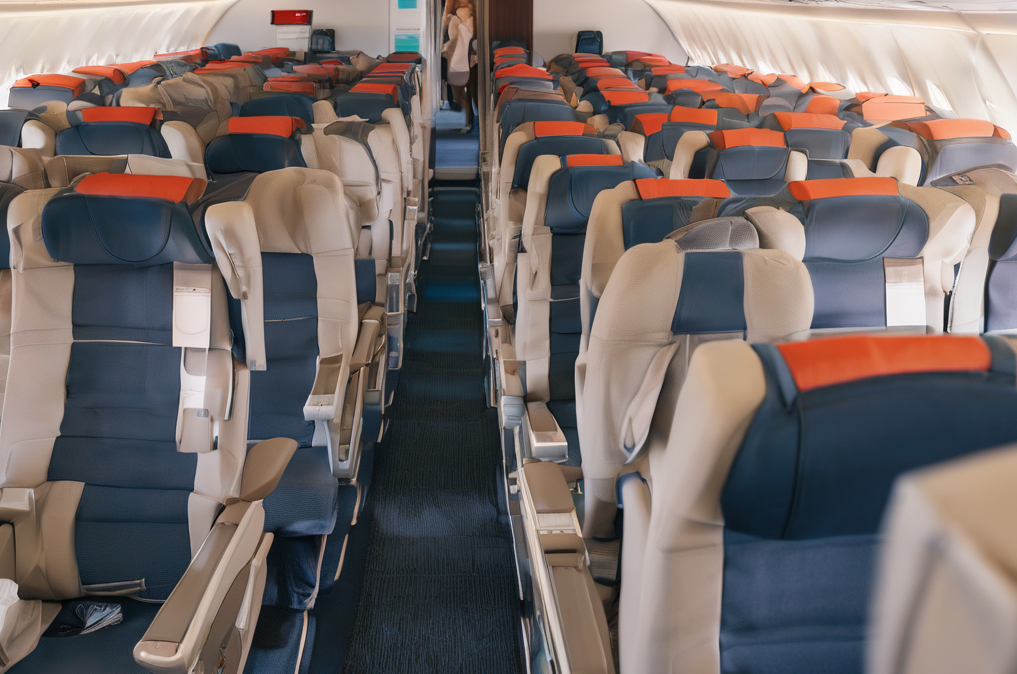
On long-haul routes, such as those common for Russian travelers, turbulence may seem more frequent simply because of the extended time in the air.
Reasons for this perception
- longer exposure time;
- different weather zones;
- crossing jet streams;
- fatigue increasing sensitivity.
This does not mean the flight is less safe—it simply increases the likelihood of encountering normal atmospheric variations.
Changing the Way You Think About Turbulence
One of the most effective ways to reduce fear is to reframe how you think about turbulence.
Helpful mindset shifts
- view turbulence as a normal part of flying;
- compare it to bumps on a road;
- trust the training of pilots and engineers;
- focus on facts rather than feelings.
For Russian travelers, adopting a more rational and informed perspective can transform the experience.
Conclusion
Turbulence may feel uncomfortable, but it is a routine and well-understood aspect of air travel. Modern aircraft are designed to handle it, and pilots are trained to manage it safely. The sensations passengers feel are often far more intense than the actual physical impact on the plane.
For Russian travelers, especially those flying long distances, understanding turbulence can make a significant difference. By combining knowledge with practical strategies, it is possible to turn a source of fear into just another part of the journey.
In the end, turbulence is not something to fear—it is simply part of how flight works.
