Choosing a seat on an airplane may seem like a simple decision, but in reality, it reflects a complex mix of psychology, personal habits, and travel experience. For many passengers, including those from Russia, seat selection is influenced not only by comfort but also by subconscious preferences, fears, and expectations. Whether it is the window seat for a sense of control or the aisle seat for freedom of movement, every choice tells a story.
Understanding the psychology behind seat selection can help travelers make better decisions and even improve their overall flight experience. Airlines also study these behaviors to optimize cabin layouts and pricing strategies.
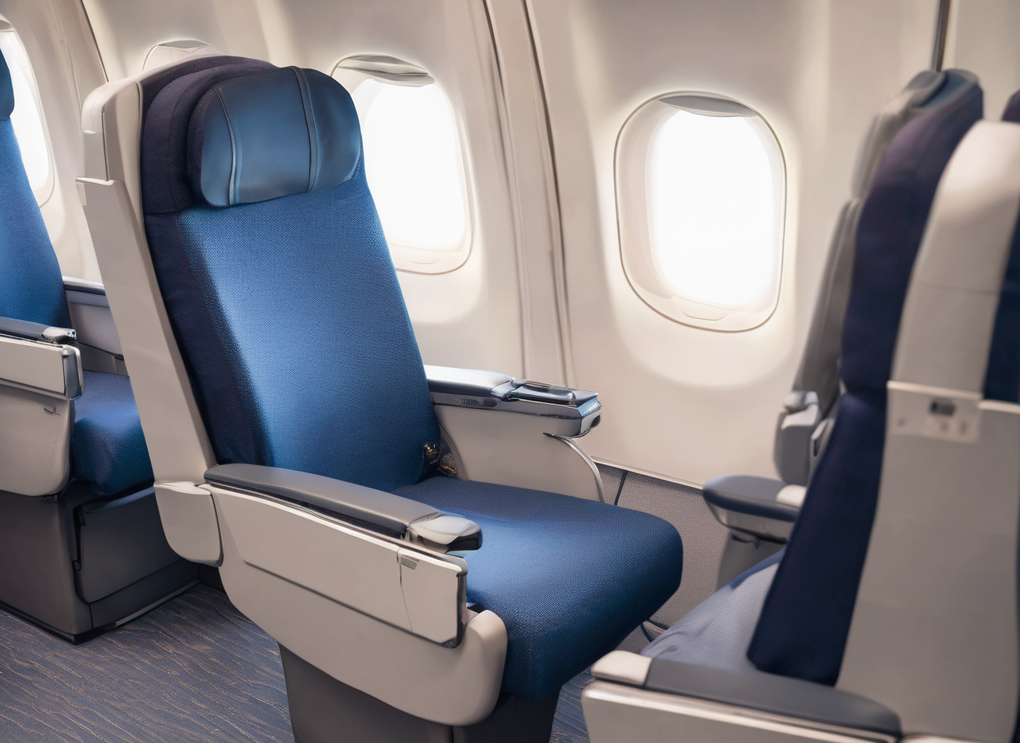
Why Seat Choice Matters More Than It Seems
On long flights, especially common for Russian travelers due to the country’s vast geography and frequent international routes, the seat you choose can significantly impact comfort, mood, and even perceived travel time.
Seat selection is often tied to a passenger’s personality, travel purpose, and emotional state.
Key factors influencing decisions
- desire for comfort and personal space;
- fear of flying or anxiety;
- need for control or predictability;
- physical considerations (height, mobility);
- travel experience and habits.
For Russian passengers, long-haul flights make these factors even more pronounced.
Window Seat: Control and Escape
The window seat is one of the most popular choices among travelers. Psychologically, it offers a sense of control and a personal “territory.”
Why people choose window seats
- ability to look outside and reduce anxiety;
- control over the window shade;
- less disturbance from other passengers;
- a feeling of privacy and isolation;
- opportunity to sleep without interruptions.
For Russian travelers, especially those flying long distances, the window seat can provide a sense of calm and detachment from the crowded cabin environment.
Aisle Seat: Freedom and Mobility
Passengers who prefer aisle seats often value independence and flexibility. This choice is common among frequent flyers and business travelers.
Psychological motivations
- easy access to the aisle and restroom;
- ability to stand and stretch freely;
- reduced feeling of confinement;
- control over personal movement;
- quick exit after landing.
For Russian passengers on long flights, the ability to move around is particularly important for comfort and health.
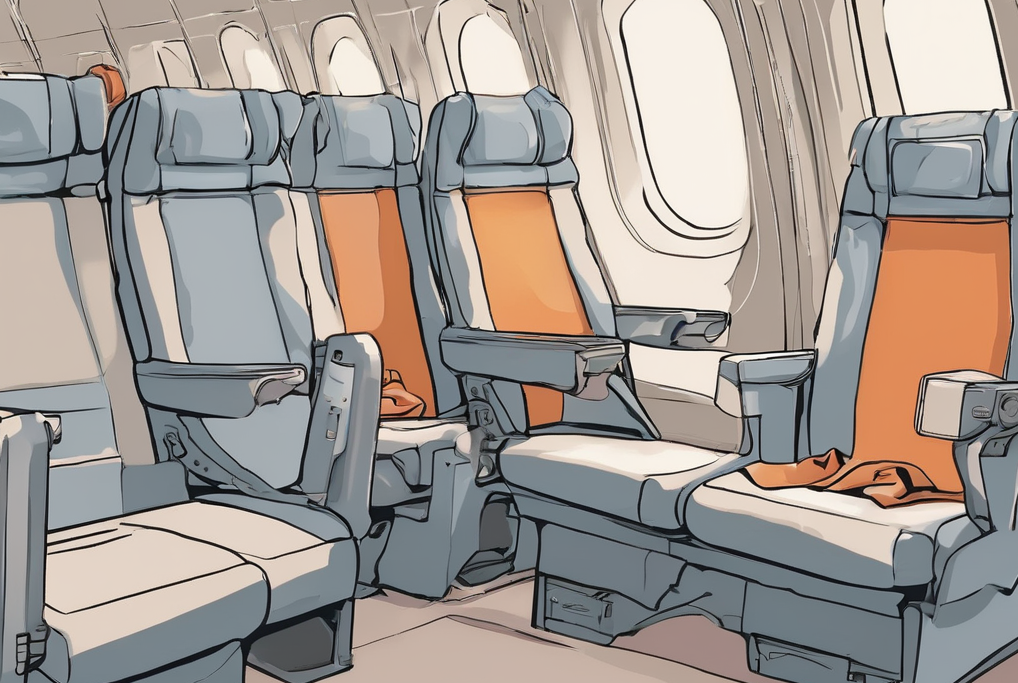
Middle Seat: The Least Preferred Option
The middle seat is widely considered the least desirable. It is often chosen only when no alternatives are available.
Why it is unpopular
- limited personal space;
- lack of control over armrests;
- feeling of being “trapped” between passengers;
- reduced comfort during long flights.
Interestingly, people assigned middle seats may experience higher levels of stress and discomfort, which can affect their perception of the entire flight.
Front vs. Back: Perception of Safety and Efficiency
Seat selection is also influenced by location within the aircraft.
Front of the plane
- perceived as more convenient;
- faster boarding and disembarking;
- closer to premium services;
- associated with status and comfort.
Back of the plane
- often cheaper tickets;
- statistically perceived as safer by some passengers;
- more availability of empty seats on less crowded flights.
Russian travelers often balance cost and convenience, choosing based on budget and travel priorities.
The Role of Anxiety and Fear of Flying
Fear of flying plays a significant role in seat selection. Passengers with anxiety tend to choose seats that make them feel more secure.
Common coping strategies
- choosing seats near the wing for less turbulence;
- selecting window seats to maintain visual reference;
- avoiding seats near the tail where movement is stronger;
- preferring familiar seating patterns.
For some Russian passengers, especially infrequent flyers, these psychological factors can outweigh practical considerations.
Social Behavior and Personal Space
Airplane seating also reflects social preferences. Some passengers seek interaction, while others prefer isolation.
Different passenger types
- introverts prefer window seats for privacy;
- extroverts may choose aisle seats for interaction;
- families prefer grouped seating;
- solo travelers often prioritize personal comfort.
In Russian travel culture, personal space is often valued, which influences seat selection behavior.
Habits and Experience
Frequent travelers tend to develop consistent seat preferences based on past experiences.
Typical patterns
- always choosing the same type of seat;
- avoiding seats with previous negative experiences;
- using seat maps strategically;
- booking early to secure preferred spots.
Experienced Russian travelers often plan seat selection in advance, especially for long-haul flights.
Airline Strategies and Seat Pricing
Airlines understand passenger psychology and use it to structure pricing models.
Common tactics
- charging extra for preferred seats;
- highlighting “best” seats on booking platforms;
- using scarcity to encourage early selection;
- offering upgrades during check-in.
For Russian passengers, this means that seat selection is not just a psychological decision, but also a financial one.
Tips for Choosing the Best Seat
Understanding your own preferences can help you make a better choice.
Practical recommendations
- choose window seats for rest and privacy;
- select aisle seats for mobility;
- avoid middle seats when possible;
- consider proximity to wings for stability;
- book early for better options.
Russian travelers, especially on long routes, benefit from aligning seat choice with personal comfort needs.
Conclusion
Airplane seat selection is far more than a logistical decision — it is a reflection of personality, psychology, and travel priorities. From the need for control to the desire for freedom, each choice reveals how passengers cope with the unique environment of air travel.
For Russian travelers, who often face long distances and extended flight times, understanding these psychological factors can significantly improve the travel experience. By choosing seats consciously rather than randomly, passengers can reduce stress, increase comfort, and make their journey more enjoyable.
In the end, the “best” seat is not universal — it is the one that aligns with your individual needs and mindset.
