“Arrive three hours early” is one of those travel rules that sounds universal. Yet in real life, the best arrival time depends on the type of trip, your destination, and what could realistically go wrong. Sometimes three hours is the right buffer. Other times it is simply wasted time - and a stressful bottleneck in itself.
This guide breaks down when the three-hour advice holds up, when it does not, and how to plan a more reliable arrival window.
Where the Three-Hour Rule Comes From
The three-hour recommendation grew out of the idea that airports - especially busy ones - can involve multiple slow steps. Even if you are efficient, you may face lines at check-in, bag drop, security, passport control, and then a walk to your gate. During peak periods, small delays compound quickly.
Over time, the rule became a default safety margin. But defaults can ignore local conditions: airport size, airline procedures, staffing levels, and whether you already checked in online.
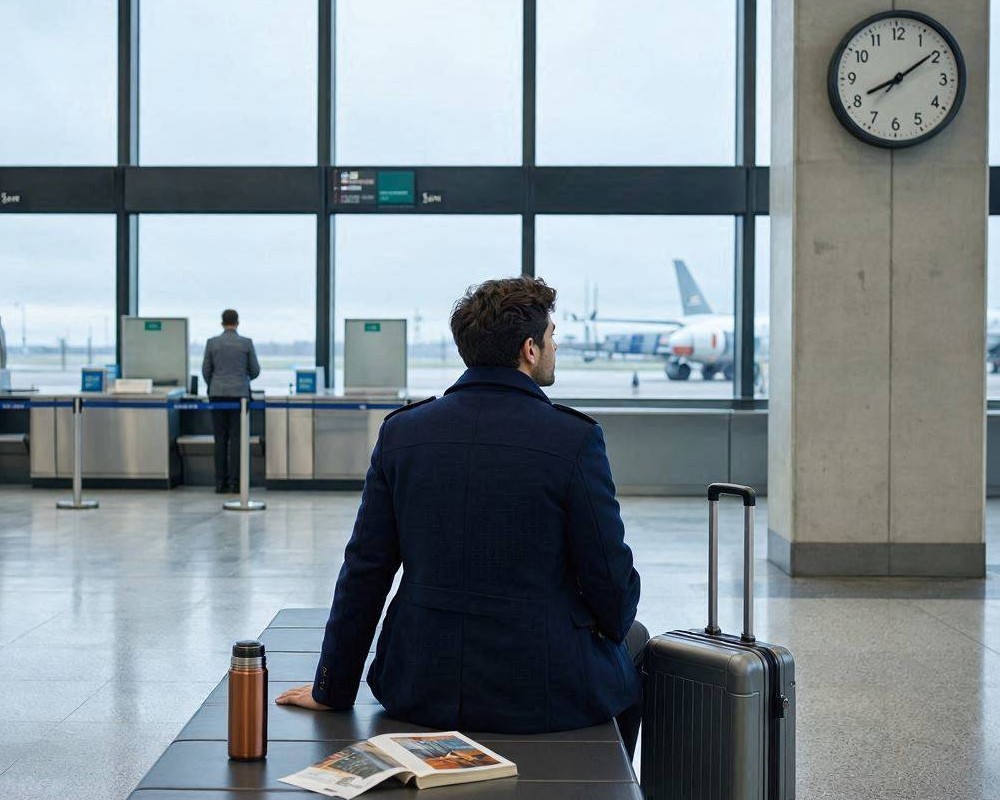
When Three Hours Is Actually a Good Idea
Three hours early can be the right choice when you want margin for uncertainty. Consider arriving three hours before departure if you are likely to encounter more variables than usual.
Flights with higher complexity
Three hours helps when your flight includes steps that often take longer than expected.
- International travel with passport control and additional document checks
- Flights with strict boarding rules or frequent gate changes
- Travel to destinations with unique entry procedures or higher compliance checks
Busy periods and unpredictable traffic
Even if your airport is efficient, timing matters. Arriving earlier can protect your schedule when you cannot control external factors.
- Weekday rush hours or major travel holidays
- Airports known for variable security wait times
- Long public-transport trips, parking challenges, or traffic hotspots
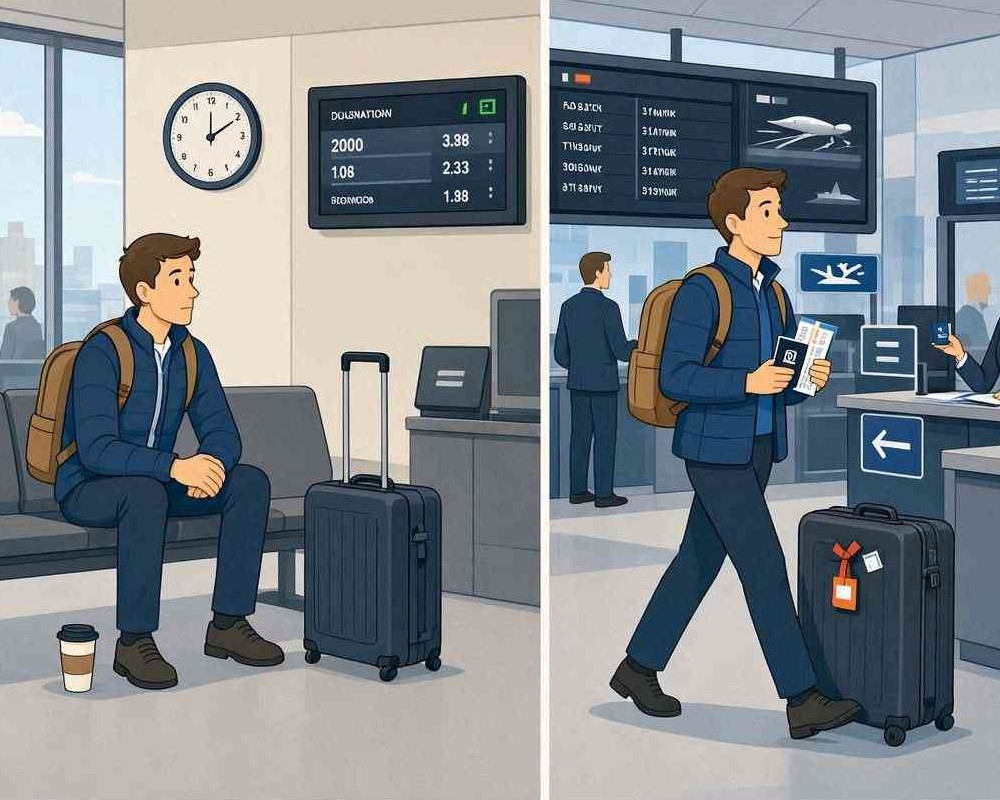
When Three Hours Can Be Unnecessary
Arriving three hours early is not always better. In some airports and scenarios, the added buffer turns into a waiting game while you burn time inside a terminal with limited options.
You already reduced the risk
If you have fewer steps, you can often compress the timeline without cutting it too close.
- You have mobile boarding passes and have completed check-in
- You only have a carry-on, no bag to drop
- You know the airport layout and have experienced similar security times
Smaller airports and smoother processes
Smaller airports often have shorter lines and fewer procedural steps. If the airport consistently processes passengers quickly, three hours can be overkill.
A good reality check is your past experience. If you routinely clear security in 30 to 45 minutes at a specific terminal, three hours may not provide meaningful extra safety.
A Better Approach: Build Your Own Arrival Window
Instead of following a single number, plan based on your likely process. A simple approach is to estimate each step, then add a realistic buffer.
Estimate the steps you will actually do
Use this structure to calculate a practical arrival time for flights.
- Time from leaving home to reaching the airport (include parking or transit)
- Time for bag drop, if needed
- Time for security and any passport or customs checks
- Time to reach the gate after security (walking, elevators, shuttles)
- Buffer for unexpected delays (reduced if you have strong buffers already, increased if you lack flexibility)
Choose a buffer based on your risk tolerance
Buffer is not a moral virtue - it is a tool. Decide how costly it would be to miss your flight. If missing it triggers expensive changes or hotel costs, lean toward extra margin. If you have flexibility and backup options, you can plan tighter.
Also consider how you would recover if you were delayed. For example, do you know the airline rebooking process? Are you traveling with someone who can assist quickly? Recovery planning reduces the need for excessive early arrival.
What About Trains, Buses, and Events?
The three-hour rule is most common for air travel, but people often generalize it to other contexts. Here is how to think about it.
Trains and regional transit
Most train systems prioritize predictable boarding. Unless you have international connections, three hours is rarely necessary. A better plan is to arrive early enough to find your platform and handle any ticket validation or standing-room rules.
Concerts, stadiums, and busy ticket entry
For events, earlier arrival may be about convenience rather than safety. If doors open early, you may want time for entry lines, merchandise, and seating. But if you arrive far ahead, you could waste time in crowded spaces without faster access.
Use the event organizer’s guidance and typical crowd patterns. If your main goal is a specific seat or early entry perks, adjust accordingly.
Practical Tips to Arrive Confidently
You can improve your odds without defaulting to extreme early timing.
- Check current wait-time estimates for security and passport control, when available
- Complete online check-in and keep documents ready on your phone or in a folder
- Plan an alternate route to the airport or station in case of transport delays
- Arrive with enough time to handle a slower-than-usual scenario, not just the best case
So, Should You Arrive Three Hours Early?
The honest answer is - only when your specific trip genuinely justifies the margin. Three hours is often reasonable for international flights, complex airports, and uncertain conditions. It can be excessive when you have already minimized steps and the airport is consistently smooth.
Use three hours as a starting point, then tailor it. Build an arrival plan from the steps you will take, add a buffer aligned with your risk tolerance, and you will spend less time waiting - while still protecting your schedule.
