For decades, air travel was synonymous with noise. The roar of jet engines, the constant hum of pressurized cabins, and the endless sounds of fellow passengers created an exhausting auditory environment that made relaxation nearly impossible. Then came noise-cancelling headphones. What started as a niche technology used primarily in military and aviation industries evolved into a consumer product that fundamentally transformed how millions of people experience flying. Today, these remarkable devices have become as essential to air travel as luggage itself, reshaping not only passenger comfort but also the entire culture of modern aviation.
The Evolution of Noise-Cancelling Technology
Early Beginnings and Development
Noise-cancelling technology wasn't invented overnight. The concept dates back to the 1950s when Dr. Lawrence J. Fogel at the Kudelski Group began experimenting with phase cancellation techniques. However, it wasn't until the 1980s and 1990s that meaningful commercial applications emerged. Bose, a company legendary for audio innovation, pioneered consumer noise-cancelling headphones with their QuietComfort line, released in 2000. These early models were revolutionary but bulky, expensive, and available primarily to business travelers and aviation professionals.
Modern Advancements
The technology has improved dramatically over the past two decades. Modern noise-cancelling headphones utilize sophisticated algorithms and multiple microphones to analyze ambient sound in real-time, generating inverse sound waves that neutralize noise. Recent innovations include:
- Adaptive noise cancellation that adjusts to changing environments automatically
- Transparency modes that allow ambient sound to pass through when needed
- Enhanced battery life enabling use throughout entire international flights
- Improved comfort for extended wear during long-haul journeys
- Integration with active sound management systems in modern aircraft
Transforming the Passenger Experience
Comfort and Well-being
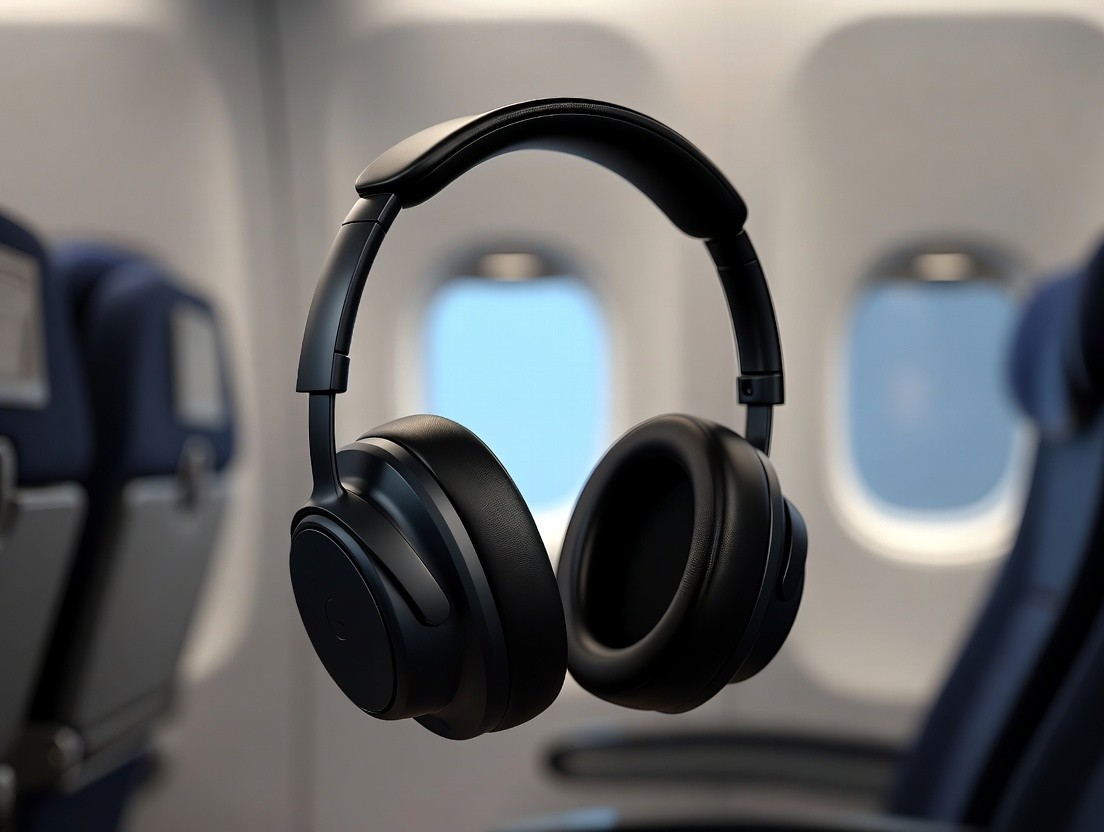
The most obvious benefit of noise-cancelling headphones is the dramatic improvement in passenger comfort. A typical commercial aircraft cabin produces noise levels between 80-90 decibels—comparable to a busy freeway or jackhammer. This constant exposure causes fatigue, stress, and sleep deprivation. Noise-cancelling headphones reduce cabin noise by 15-30 decibels, creating a significantly quieter environment. This reduction allows passengers to sleep more effectively on long flights, reducing jet lag and arriving at their destinations fresher and more alert.
Mental Health and Stress Reduction
Beyond physical comfort, these headphones have profound psychological benefits. Flying already causes anxiety for many people, and constant noise exacerbates this stress. The ability to create a personal quiet zone provides psychological relief and a sense of control during a situation where passengers typically feel helpless. Studies have shown that quieter environments reduce cortisol levels and lower heart rates, contributing to better overall flight experiences.
Economic and Social Impact
Changing Travel Habits
Noise-cancelling headphones have influenced how people choose flights and airlines. Premium economy and business class sections, which typically offer quieter seats and better amenities including noise-cancelling technology, have become more desirable. Airlines now recognize that investing in passenger comfort—including supporting noise-cancelling technology—is essential for customer satisfaction and loyalty. Some carriers have even incorporated noise-reducing materials into their cabin designs, working in tandem with passengers' personal headphones.
Market Growth and Consumer Adoption
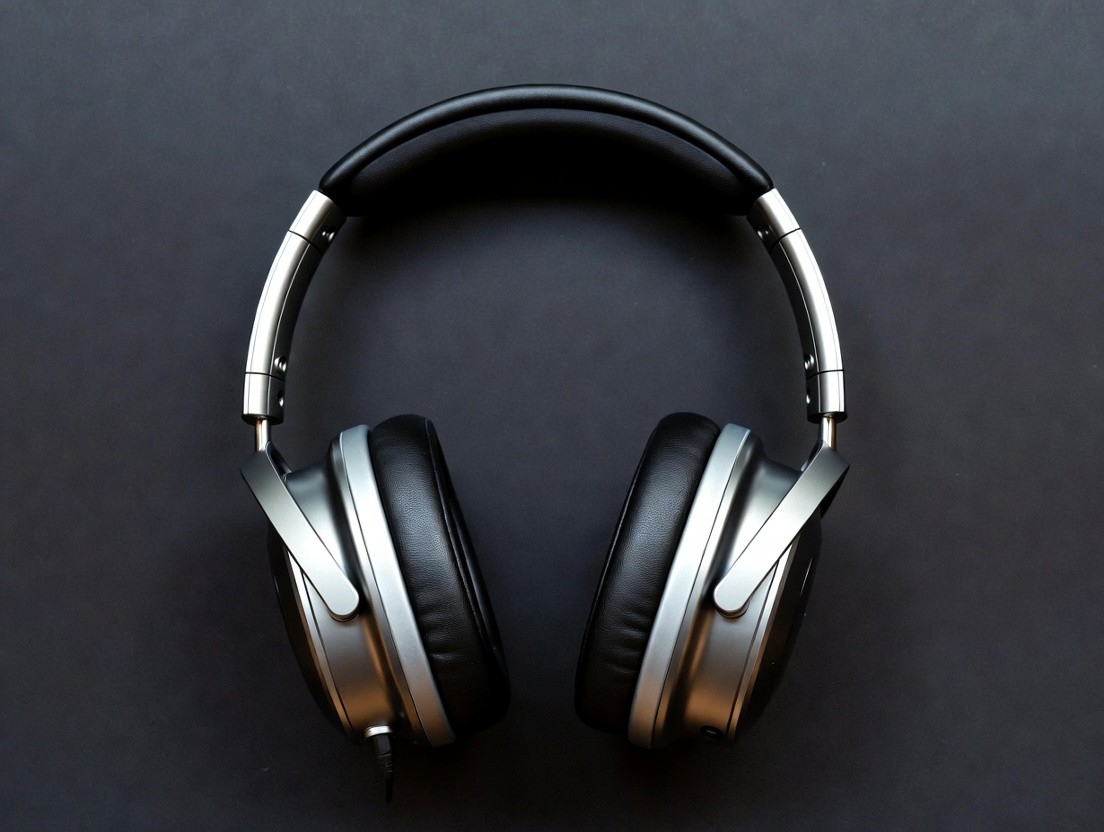
The market for noise-cancelling headphones has exploded. What was once a luxury item costing $300-400 has evolved into an accessible technology with models available at every price point. Today, casual travelers, business professionals, and students routinely purchase noise-cancelling headphones specifically for air travel. Market analysts estimate that millions of units are sold annually, with air travel being a primary driver of this demand.
Broader Changes in Aviation Culture
Redefining Cabin Etiquette
Noise-cancelling headphones have subtly shifted the culture of air travel. They've created an unspoken agreement among passengers: when you're wearing them, you're in your own space. This has paradoxically made flights feel more peaceful by reducing unnecessary conversation and providing a barrier between strangers. Flight attendants report that passengers wearing visible headphones are less likely to engage in disruptive behavior, suggesting that the technology promotes a more harmonious cabin environment.
Industry Recognition
Airlines and aircraft manufacturers have taken notice. Premium airlines include noise-cancelling headphones as part of their amenity kits, while aircraft designers increasingly incorporate cabin noise reduction measures. Boeing and Airbus have both invested in quieter engines and cabin materials, partially in recognition that passengers now have higher expectations for acoustic comfort based on their noise-cancelling headphone experiences.
Challenges and Future Considerations
Safety and Awareness
While noise-cancelling headphones offer tremendous benefits, they do present challenges. Safety-conscious airlines worry about passengers becoming too isolated from important announcements or emergency procedures. However, modern headphones address this through transparency modes and automatic pause features triggered by cabin announcements.
Accessibility and Equality
Despite increased affordability, quality noise-cancelling headphones remain inaccessible to some travelers. This creates a divide where wealthier passengers enjoy significantly better flight experiences than budget travelers, an issue the industry continues to grapple with.
Conclusion: A Permanent Transformation
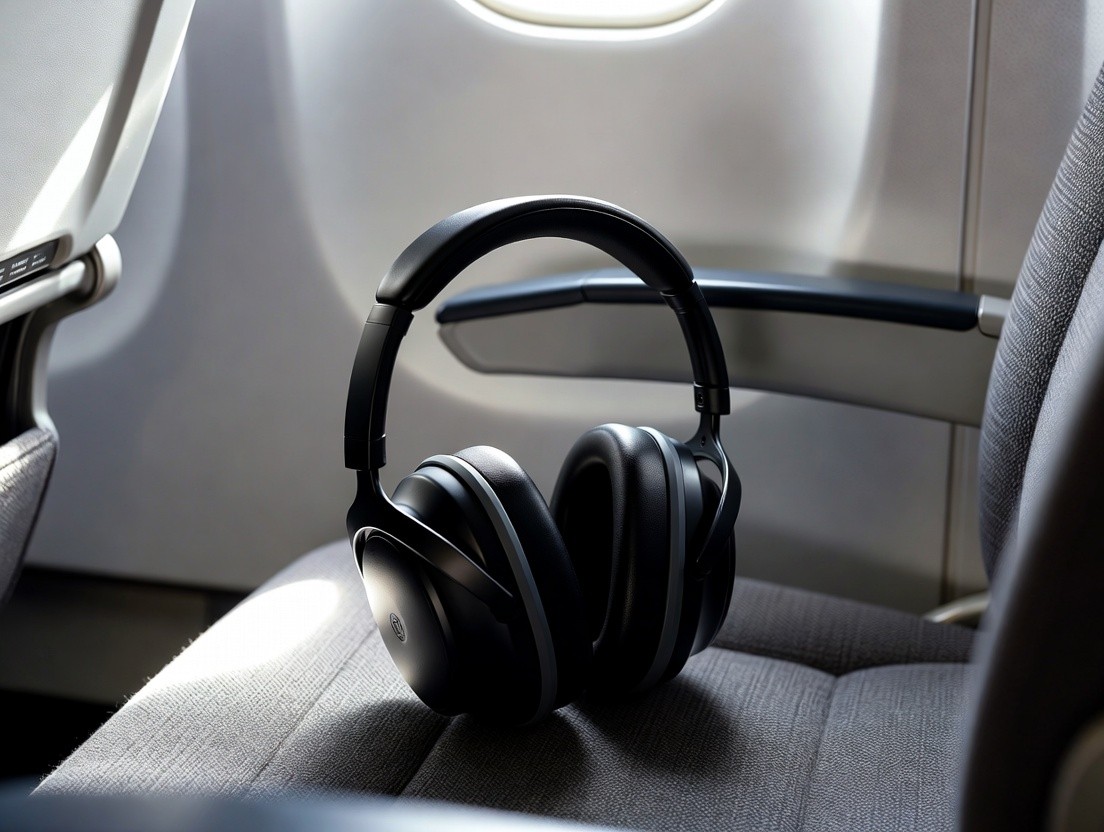
Noise-cancelling headphones have undeniably changed air travel forever. They've transformed an inherently uncomfortable experience into something manageable and even enjoyable for millions of passengers. Beyond the personal comfort they provide, they've influenced airline design, shaped traveler expectations, and created new standards for what passengers consider essential travel gear. As technology continues to advance, with potential innovations including integration with airline entertainment systems and personalized sound profiles, noise-cancelling headphones will likely become even more integral to the flying experience. What began as a luxury innovation has become a quiet revolution that has fundamentally reshaped how we travel by air.
