For many independent tourists, a vacation simply isn't complete without their four-legged companions. Our dogs and cats are valued family members, and the idea of leaving them behind in a kennel or with a pet-sitter can cast a shadow over an entire journey. Fortunately, the global travel industry has become increasingly accommodating to pet owners, making it entirely possible to bring your animal along on domestic and international flights.
However, anyone who has attempted to navigate an airport with a live animal knows that aviation logistics can be incredibly daunting. Between strict weight limits, fluctuating international veterinary regulations, and different airline policies, flying with an animal can easily become a major source of pre-trip anxiety. Navigating this process successfully requires moving past the guesswork. By breaking the journey down into manageable steps, you can ensure a safe, smooth, and entirely stress-free flight for both you and your pet.
Choosing the Right Way to Fly: Cabin vs. Cargo
The very first decision you must make is determining exactly where your pet will travel during the flight. This depends almost entirely on your animal's size, weight, and breed.
In-Cabin Travel (The Gold Standard)
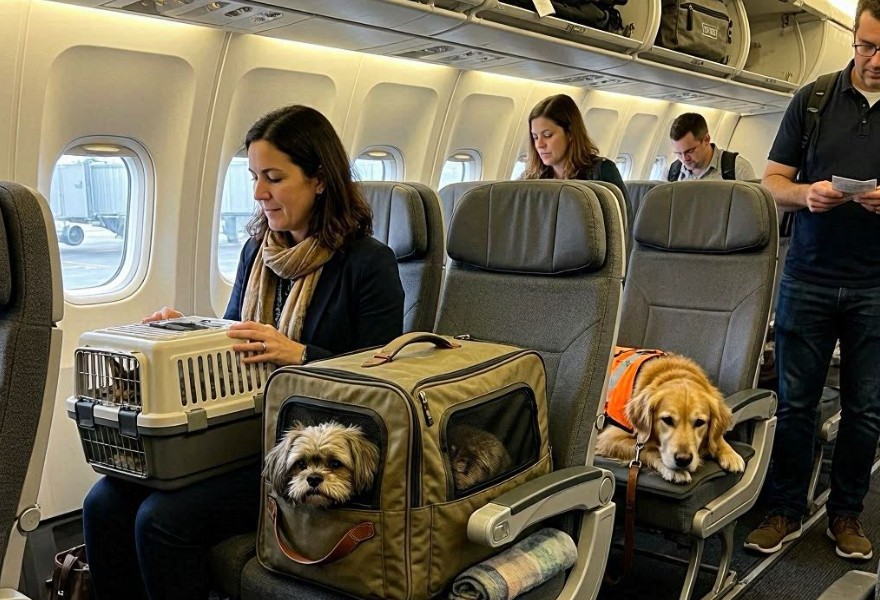
If you own a small dog or a cat, they can usually travel right under the seat in front of you. Most commercial airlines allow pets in the cabin if the combined weight of the animal and their carrier does not exceed 8 kilograms. This is by far the least stressful option, as your pet remains within arm's reach throughout the entire flight. Keep in mind that airlines strictly limit the number of pets allowed in the cabin per flight—often just 2 to 4 animals—so you must book your pet's ticket at the exact same time you buy your own.
Checked Baggage or Cargo Travel
Larger dogs will need to travel in the aircraft's cargo hold, which is climate-controlled, pressurized, and kept at the exact same temperature as the passenger cabin above. While many owners worry about this option, millions of large animals fly safely this way every year. The key is using an incredibly sturdy, International Air Transport Association (IATA)-approved rigid plastic crate that allows your dog to stand up, turn around completely, and lie down naturally.
Essential Documentation and Veterinary Preparation
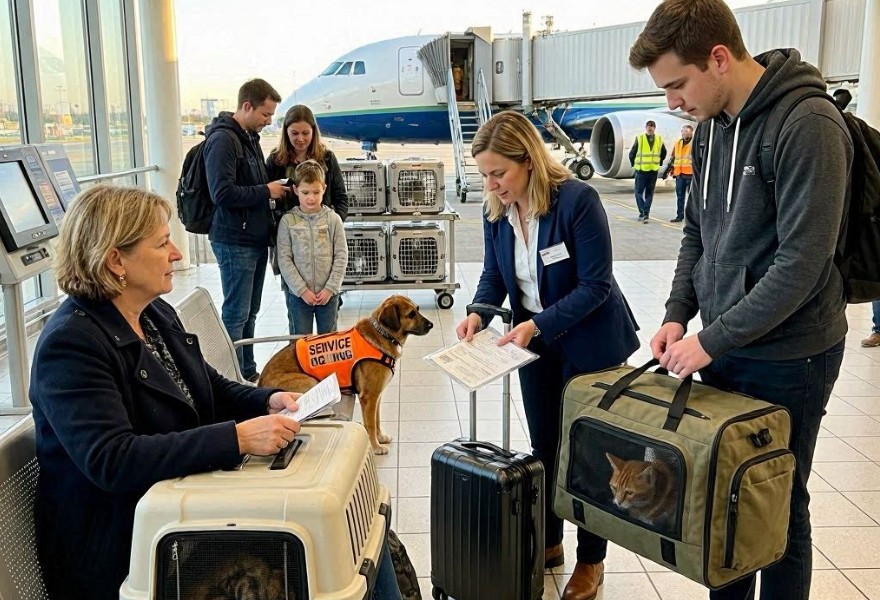
Airlines and border control agencies have zero tolerance for missing paperwork. A single missing stamp can result in your pet being denied boarding or placed into an expensive quarantine at your destination.
Navigating Health Certificates and Passports
For domestic flights within your home country, you will generally only need a standard veterinary health certificate issued within ten days of travel, alongside proof of an up-to-date rabies vaccination.
If you are crossing international borders, the logistical ladder becomes much steeper. You will need an international pet passport, an ISO-compliant microchip implanted *before* the latest rabies shot, and potentially a rabies antibody titration test depending on your destination. Always research the specific requirements of the destination country's Ministry of Agriculture at least two months in advance to avoid last-minute delays.
Carrier Comfort and Airport Strategy
An airport is a loud, chaotic environment filled with strange smells and echoing noises that can easily terrify even the most confident pet. Proper acclimation is your secret weapon.
Acclimatizing Your Pet to the Carrier
Never buy a pet carrier the day before your flight. Buy it weeks in advance, leave it open in your living room, and place your pet's favorite treats or familiar toys inside. Your goal is to make the carrier feel like a safe, cozy den rather than a mobile prison. If your pet associates the carrier with positive experiences at home, they will feel significantly more secure when the airplane experience begins.
Airport Survival Tips for Pet Parents
To ensure a seamless airport experience, keep these practical tips in mind:
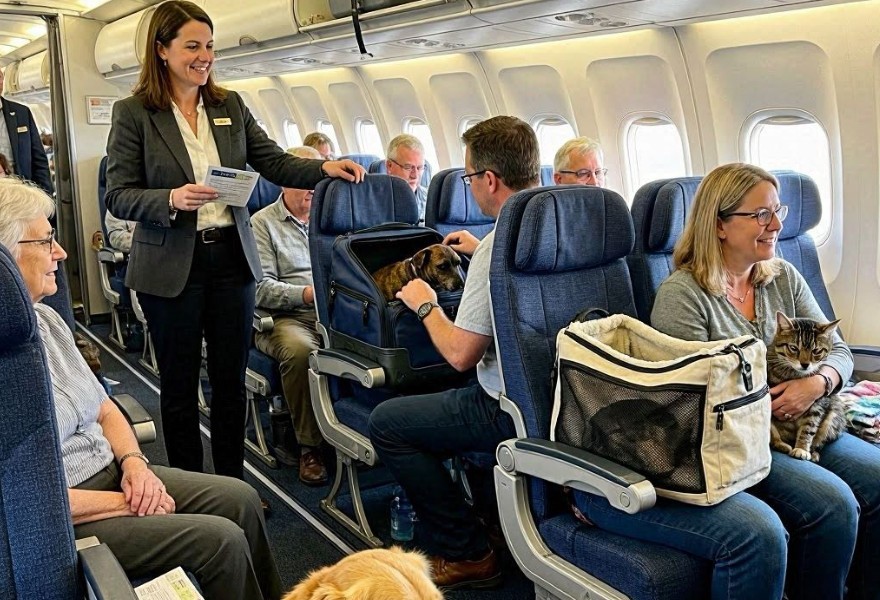
- Locate Pet Relief Areas: Modern international airports are legally required to have dedicated pet relief zones. Find out where they are located on the airport map before you arrive so your pet can relieve themselves right before boarding.
- Prepare for Security Screening: When passing through TSA or airport security, you will have to take your pet out of the carrier. You will walk through the metal detector holding your animal, while the empty carrier passes through the X-ray machine. Ensure your pet is wearing a secure harness and leash so they cannot bolt if startled.
- Pack an Emergency Kit: Keep collapsible water bowls, a small bag of dry food, absorbent puppy pads to line the carrier, and wet wipes easily accessible in your carry-on bag for quick cleanups.
Conclusion
Flying with a pet does not have to be an overwhelming ordeal. By planning your route early, selecting an airline with pet-friendly policies, and investing time into proper carrier conditioning, you can eliminate the chaos entirely. With the right preparation, taking your pet on vacation becomes a simple, routine part of your independent travel adventures, opening the door to incredible new memories shared with your favorite companion.
