For years, flight simulators were associated with airlines, military programs, and expensive training centers. Today, more flight simulators are becoming accessible to regular passengers - meaning anyone curious about aviation can book time in a realistic cockpit environment. The experience ranges from casual flights over famous landmarks to advanced sessions that mimic real procedures. Behind the scenes, modern software, improved motion systems, and standardized safety processes have made these experiences both practical and repeatable.
Why flight simulators are becoming mainstream
Several forces are pushing simulators out of specialist circles and into broader public access. First, consumer demand for immersive experiences has grown - travelers want hands-on alternatives to sightseeing. Second, technology has matured. High-quality visuals, accurate avionics behavior, and motion platforms can now be integrated without the same level of cost that once dominated the industry.
Finally, the market has learned how to package simulation time for non-pilots. Instead of selling only “training hours,” many operators focus on guided experiences. This shift matters: passengers do not need to understand every control right away. They need a clear structure, helpful instruction, and a simulator environment that behaves consistently.
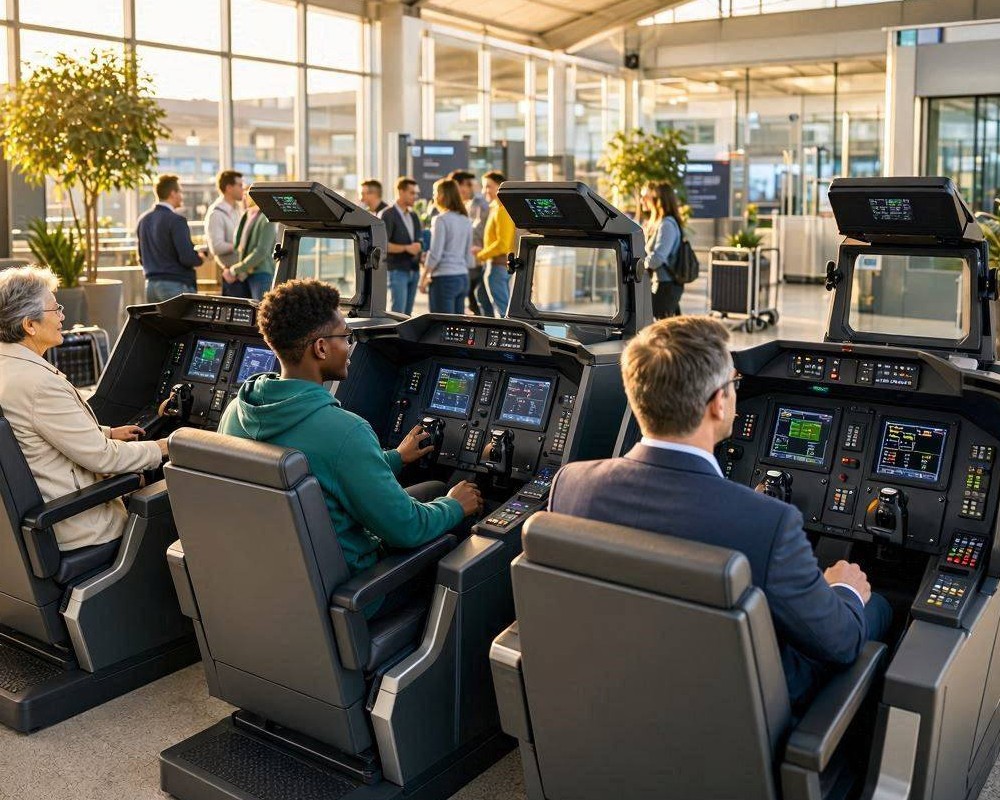
What “open to regular passengers” actually means
Accessible simulators can still vary widely. Some venues offer short, guided rides, while others provide instruction with takeoff, navigation, and landing workflows. In practice, “open to regular passengers” typically includes the following features:
- On-site briefing that explains cockpit layout, controls, and safety rules
- Instructor oversight during the session
- Pre-planned routes or scenarios designed for learners
- Options for different comfort levels, from minimal workload to procedure-heavy sessions
Guided rides vs. training-style sessions
A common misconception is that all simulator bookings are the same. Many providers separate experiences by intensity. Guided rides emphasize immersion and storytelling - for example, landing at a well-known airport at a specific time of day. Training-style sessions emphasize technique and procedure, often including checklists, radio communications, and performance considerations.
Key technology behind modern passenger-friendly simulators
To make a simulator work for first-time users, reliability and realism must be balanced with usability. Even when scenarios are scripted, the cockpit system should respond correctly to pilot inputs. Modern simulators often combine several layers of technology:
Visuals and environment fidelity
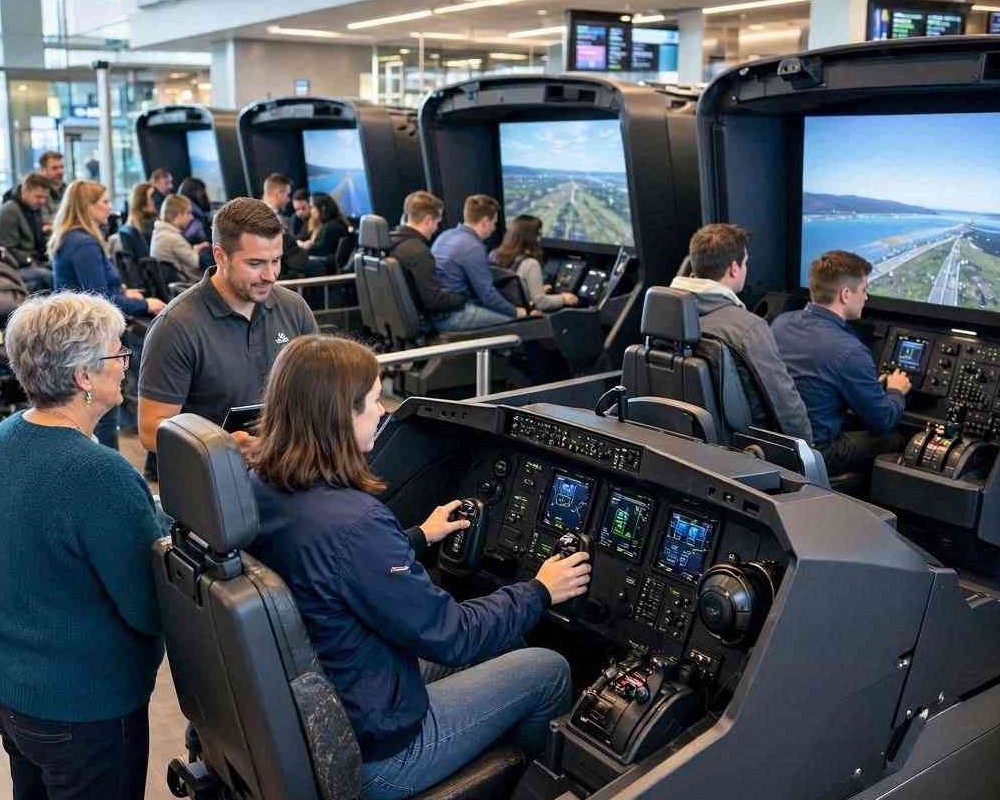
High-resolution outside visuals reduce motion sickness and increase the sense of immersion. Weather depiction is also important. Wind changes, cloud layers, and visibility levels influence approach planning and landing outcomes. For passengers, this realism translates into a learning curve that feels intuitive rather than random.
Cockpit controls and avionics behavior
Operators typically use either full-scale replicas or carefully designed cockpit stations. The goal is not to overwhelm newcomers. Instead, instructors map essential actions to predictable outcomes. When avionics behave like real systems, passengers can experience authentic workflows such as flight plan entry, navigation mode changes, and approach preparation.
Motion and comfort considerations
Not every venue uses motion platforms, but comfort is a major factor. When motion is included, it must be tuned for human tolerance. That tuning affects what passengers feel during taxi, takeoff rotation, turbulence simulation, and landing flare. Even without motion, advanced visual cues can provide a convincing sense of dynamics.
Safety and risk management for non-pilots
Because these are entertainment experiences and not medical procedures, safety is often treated differently than in full flight training. Still, reputable operators implement structured risk management. The simulator environment typically includes controlled seating, clear emergency procedures, and strict instructor policies.
Session briefing and operational limits
Before a flight begins, passengers usually receive guidance on how to handle controls, what behaviors to avoid, and how to communicate with the instructor. Limits may include simplified scenarios, reduced complexity during early stages, and boundaries on simulated failures to prevent confusion.
Managing expectations about realism
Realism can be partial. Some experiences prioritize immersion - precise flight physics and full avionics depth may not be the primary focus. Other providers emphasize systems realism and procedural accuracy. The best way to judge a simulator booking is to ask what is included: the aircraft model, the scope of procedures, the level of instructor intervention, and whether passengers can request specific maneuvers.
How to choose a simulator experience
If you are booking as a regular passenger, the “right” simulator is the one that matches your goals. Use the following checklist to make an informed choice.
- Decide your objective: sightseeing immersion or procedural practice.
- Confirm the aircraft type and route realism.
- Ask about instructor style: how much coaching is provided.
- Check comfort options for first-timers, including breaks and motion settings.
- Review pricing structure, including add-ons like additional scenarios or extended debriefing.
Great options for first-time passengers
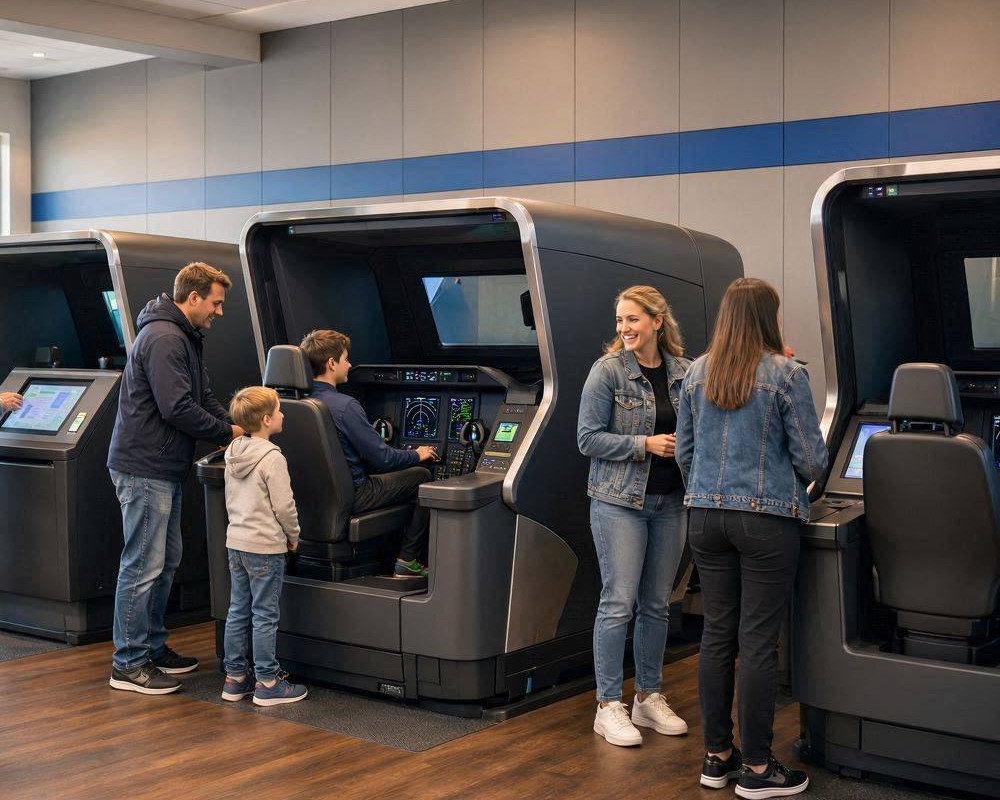
Many newcomers start with a familiar route and a structured lesson flow. Look for offerings that include pre-flight checks, guided takeoff, basic navigation, and an assisted landing. This sequence helps passengers feel accomplishment quickly while still experiencing meaningful cockpit interaction.
Benefits beyond entertainment
Even if you never pursue professional aviation, simulator experiences can develop useful skills. Passengers learn spatial awareness, the logic behind checklists, and how decision-making changes under workload. A good session also builds confidence in understanding aviation language - terms like approach, altitude constraints, heading, and descent planning become less intimidating.
For enthusiasts, simulators can also inspire deeper study. A well-designed session functions like an entry point to aviation education, motivating passengers to read, watch, and practice within safe, guided boundaries.
The future of passenger access to flight simulators
As accessibility increases, expect more tailored experiences. Venues may offer customized scenarios for travel goals, such as practicing routes you plan to fly, or learning procedures related to specific airport types. Improved simulation fidelity and smoother instructor interfaces will also make these experiences more consistent across different customer groups.
Ultimately, flight simulators open to regular passengers are reshaping how people engage with aviation. They turn curiosity into a structured, immersive activity - one that respects safety, supports learning, and delivers a realistic sense of what it feels like to fly.
