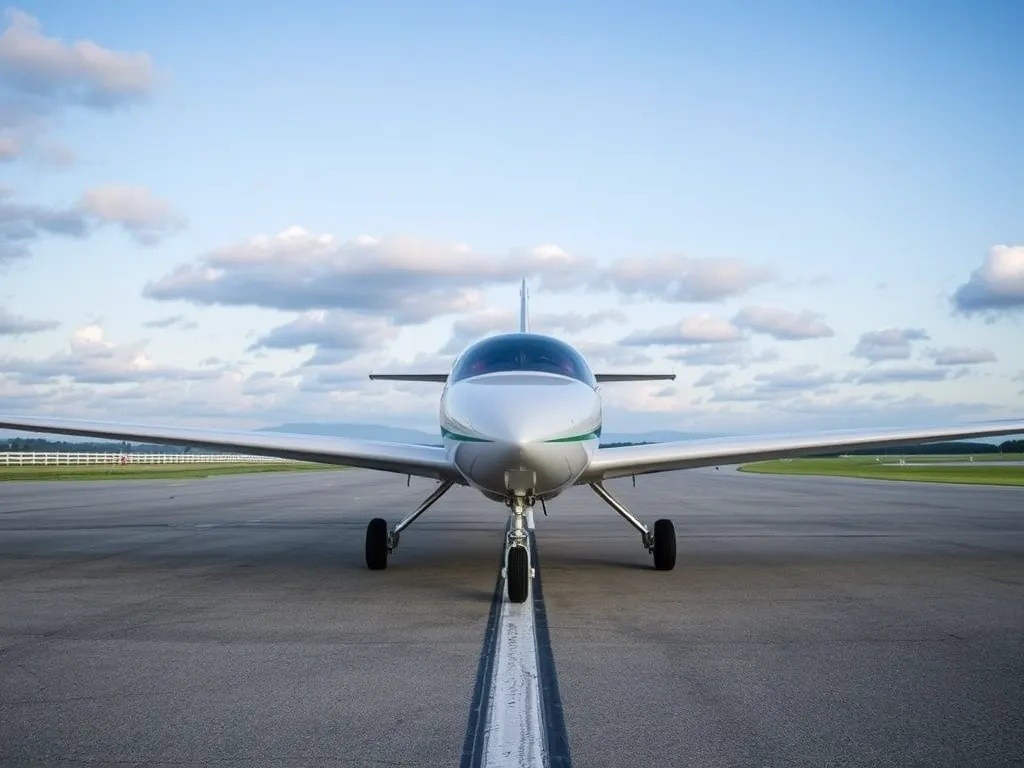
The aviation industry stands on the brink of a revolutionary transformation that could change how we think about air travel forever. Electric aircraft, once relegated to the realm of science fiction and experimental prototypes, are rapidly approaching commercial viability. Within the next few years, passengers at regional airports around the world may find themselves boarding quiet, emission-free electric planes for short-haul flights. This shift represents not just a technological advancement, but a fundamental reimagining of sustainable aviation.
The Current State of Electric Aviation Technology
Electric aircraft technology has matured dramatically over the past decade. What began as small experimental aircraft capable of carrying only a pilot has evolved into sophisticated machines designed to transport passengers and cargo. The core technology relies on powerful lithium-ion battery systems similar to those found in electric vehicles, paired with highly efficient electric motors that drive propellers or fans.
Key Technological Components
Modern electric aircraft incorporate several critical innovations:
- Advanced battery systems: High-energy-density batteries that can store enough power for commercial flights while maintaining safety standards
- Efficient electric motors: Lightweight motors that convert electrical energy to thrust with minimal loss
- Regenerative systems: Technology that can recover energy during descent, similar to regenerative braking in electric cars
- Sophisticated power management: Computer systems that optimize energy use throughout the flight
- Lightweight materials: Carbon fiber and advanced composites that reduce overall weight to maximize range
Who's Leading the Electric Aviation Revolution
Several companies are racing to bring electric aircraft to market. Companies like Heart Aerospace from Sweden, Eviation from Israel, and Ampaire from the United States have developed working prototypes and secured orders from airlines. Heart Aerospace's ES-30, for example, is designed to carry 30 passengers on routes up to 250 miles, with hybrid-electric capability extending the range to 500 miles. Eviation's Alice aircraft targets the nine-passenger market with a 440-mile range.
Major Airlines Are Taking Notice
The commitment from established airlines validates the technology's potential. United Airlines has placed orders for electric aircraft, as have Scandinavian carrier SAS and Mesa Airlines. These aren't just publicity stunts—airlines see electric planes as economically viable solutions for regional routes that currently rely on aging turboprop aircraft or are underserved altogether.
The Environmental Impact
Aviation currently contributes approximately 2-3% of global carbon dioxide emissions, but this percentage is expected to grow as other sectors decarbonize. Electric aircraft offer a pathway to dramatically reduce aviation's environmental footprint, particularly for short-haul regional flights that make up a significant portion of total flight operations.
Emissions Reductions
The environmental benefits of electric aviation are substantial:
- Zero direct emissions during flight operation
- Significantly reduced noise pollution, potentially enabling flights at times currently restricted
- Lower overall carbon footprint when powered by renewable electricity
- Elimination of local air quality impacts around airports
- Reduced reliance on fossil-derived jet fuel
What Passengers Can Expect
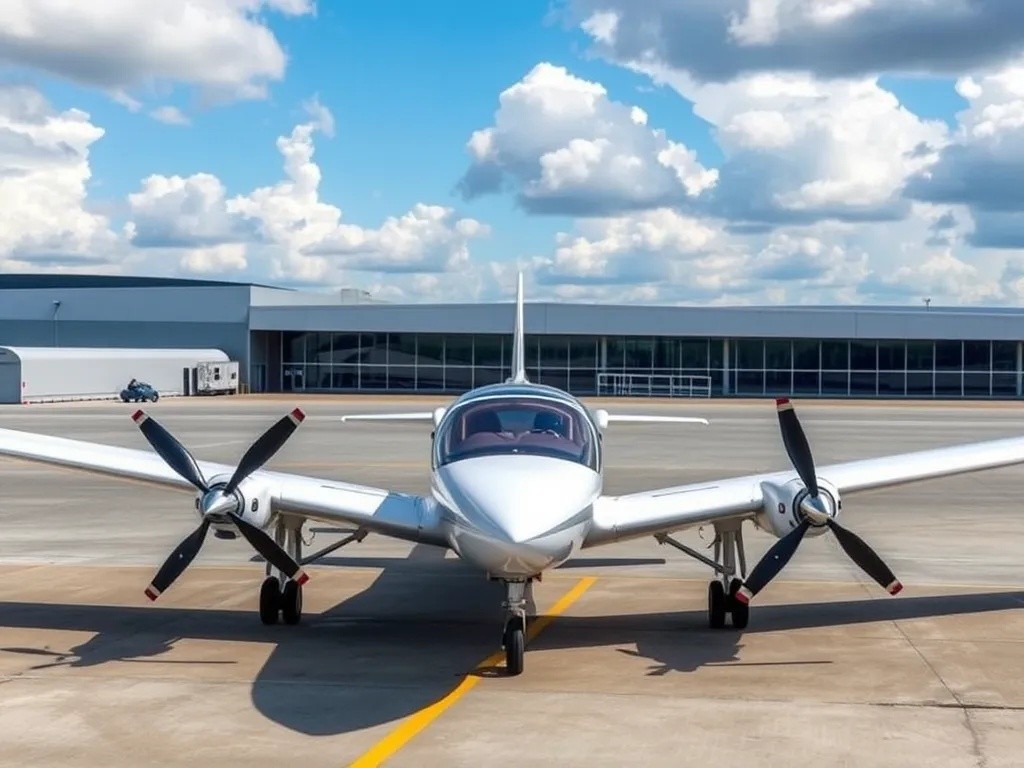
The passenger experience on electric aircraft will differ noticeably from conventional flights. The most immediately apparent difference will be the dramatic reduction in noise. Electric motors are substantially quieter than jet engines or turboprops, creating a more pleasant cabin environment. This quietness extends beyond the cabin—communities near airports may experience significantly less noise pollution.
Operational Characteristics
Electric planes will initially serve primarily short-haul routes connecting regional airports to major hubs or linking nearby cities. Think flights of 150-300 miles—distances like Los Angeles to San Francisco, Boston to New York, or Manchester to Edinburgh. These aircraft will typically be smaller, carrying between 9 and 50 passengers, creating a more intimate flying experience.
Timeline for Commercial Service
The question on everyone's mind is: when will we actually be able to book a ticket on an electric plane? The industry timeline suggests commercial operations could begin as early as 2026-2027 for some models, with more widespread adoption by 2030. However, these dates depend on several factors, including regulatory approval, infrastructure development, and continued technological refinement.
Regulatory Approval Process
Aviation authorities like the FAA in the United States and EASA in Europe are developing certification frameworks specifically for electric aircraft. These agencies must balance innovation with safety, ensuring that new technology meets the rigorous standards that have made commercial aviation so safe. Several electric aircraft are currently in various stages of the certification process.
Challenges and Limitations
Despite the promise, electric aviation faces real challenges. Battery technology, while improving rapidly, still lags behind fossil fuels in energy density. This limits both the range and payload of electric aircraft, which is why initial commercial applications focus on shorter routes with smaller aircraft. Additionally, airports will need to install charging infrastructure, and power grids must have sufficient capacity to support fleet charging operations.
Economic Considerations
The economics of electric aviation are compelling in many scenarios. While aircraft purchase costs may initially be higher, operating costs are projected to be significantly lower due to:
- Reduced fuel costs (electricity is cheaper than jet fuel)
- Lower maintenance requirements (fewer moving parts in electric motors)
- Potential for higher utilization (faster turnaround times)
- Decreased noise fees and environmental charges
The Future Beyond Short-Haul
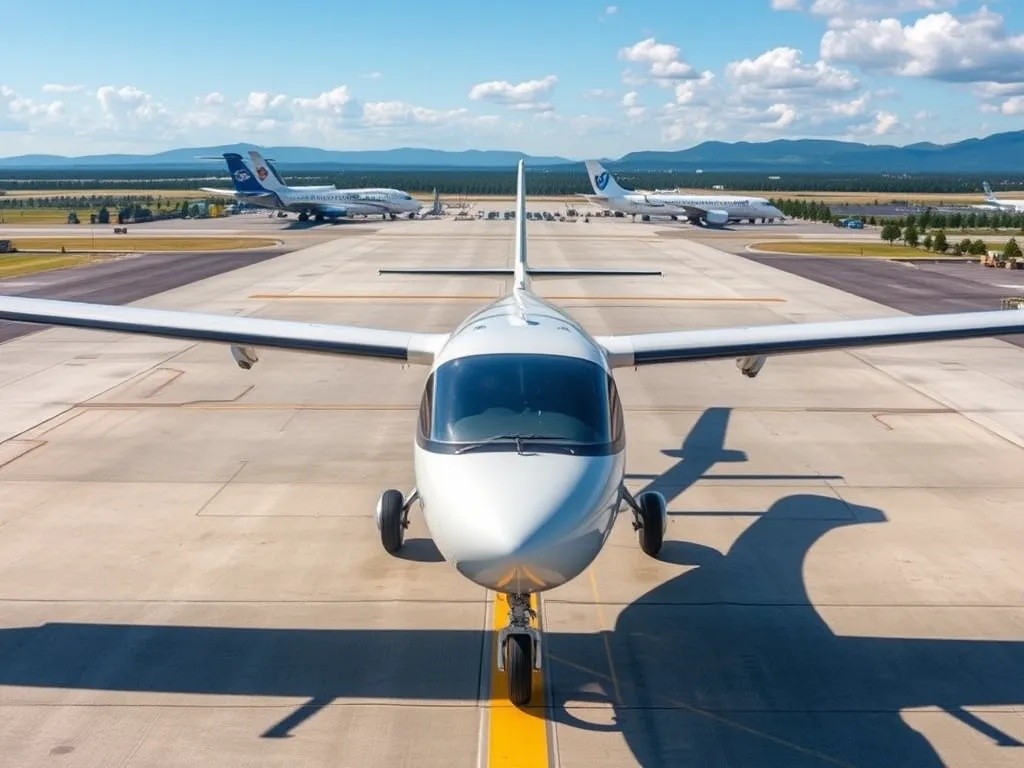
While initial electric aircraft will serve regional routes, research continues into technologies that could eventually enable electric or hybrid-electric aircraft for longer distances. Concepts include hybrid systems that combine electric propulsion with sustainable aviation fuel, advanced battery chemistries with higher energy density, and even hydrogen fuel cells. The regional electric aircraft entering service soon represent the first step in a longer journey toward fully sustainable aviation.
Preparing for the Electric Future
Passengers should start seeing electric aircraft at their local airports within the next few years, particularly at regional facilities serving short-haul routes. This transformation will unfold gradually, with electric planes complementing rather than immediately replacing conventional aircraft. As battery technology improves and infrastructure develops, the presence of electric aviation will expand, potentially revolutionizing how we think about regional air travel and making air transportation more sustainable, quieter, and potentially more accessible than ever before.
