
Maintaining a healthy diet while traveling by air can be one of the most challenging aspects of global travel. Between limited food options, irregular meal times, and the temptation of convenient but unhealthy snacks, it's easy to fall into poor eating habits when you're thousands of feet in the air. However, with proper planning and smart choices, you can nourish your body properly and arrive at your destination feeling energized rather than depleted.
Understanding the Challenge of In-Flight Eating
Air travel presents unique obstacles to healthy eating. The cabin environment affects your taste buds, making food taste different than on the ground. Lower humidity levels can lead to dehydration, which is often mistaken for hunger. Additionally, disrupted circadian rhythms during long-haul flights can confuse your body's natural hunger signals, leading to overeating or poor food choices.
How Altitude Affects Your Appetite
At cruising altitude, the combination of low humidity and reduced air pressure can decrease your sense of taste and smell by up to 30%. This is why airline food often seems bland and why you might crave saltier or sweeter options. Understanding this physiological change can help you make more conscious food decisions rather than simply reaching for the most flavorful-seeming option.
Planning Ahead: Pre-Flight Preparation
The key to eating healthy while flying starts long before you board the plane. Proper preparation can make the difference between a nourishing travel experience and one filled with regrettable food choices.
Pack Your Own Healthy Snacks
Bringing your own food gives you complete control over what you eat. Consider packing these nutritious, travel-friendly options:
- Nuts and seeds: Almonds, walnuts, pumpkin seeds, or mixed trail mix provide protein and healthy fats
- Fresh fruits: Apples, bananas, oranges, or grapes that don't require refrigeration
- Protein bars: Choose options with minimal added sugars and recognizable ingredients
- Whole grain crackers: Pair with individual nut butter packets for sustained energy
- Dried fruits: Dates, apricots, or mango for natural sweetness without added sugars
- Dark chocolate: A small amount can satisfy sweet cravings while providing antioxidants
Research Airline Meal Options
Most airlines allow you to pre-order special meals at no extra cost. Options typically include vegetarian, vegan, gluten-free, low-sodium, or diabetic-friendly choices. These special meals are often fresher and more nutritious than standard offerings because they're prepared separately and usually contain more whole foods and vegetables.

Making Smart Choices During Your Flight
Once you're airborne, you'll face various food decisions. Whether you're relying on airline meals or your packed snacks, making informed choices will help you maintain your energy and well-being.
Navigating Airline Meal Service
When you must rely on airline food, apply these strategies to make healthier selections:
- Choose grilled or baked protein options over fried alternatives
- Select meals with visible vegetables and whole grains
- Skip the bread roll or save it for later if you're not particularly hungry
- Use dressings and sauces sparingly, as they often contain excess sodium and sugar
- Request fruit as a dessert alternative to cake or cookies
- Decline high-calorie beverages like sodas or sweetened juices
The Importance of Hydration
Staying properly hydrated is perhaps the most critical aspect of healthy flying. The low humidity in airplane cabins can cause dehydration, which leads to fatigue, headaches, and poor digestion. Aim to drink at least eight ounces of water for every hour you're in the air. Bring an empty reusable water bottle through security and fill it at a water fountain after you've passed through. This ensures you have water readily available throughout your flight without constantly requesting it from flight attendants.
Eating Across Time Zones
Long-haul international flights often mean eating at unusual times according to your body clock. This can disrupt your metabolism and make jet lag worse if not managed properly.
Timing Your Meals Strategically
Consider gradually adjusting your eating schedule to match your destination's time zone. If you're flying east, try eating slightly earlier in the days before departure. For westward travel, push your meals later. During the flight, try to eat according to the destination time zone to help your body begin adjusting. This might mean skipping a meal service if it doesn't align with normal meal times at your destination.
Airport Dining: Making Healthy Choices
Don't overlook the importance of what you eat before boarding. Airport food courts have evolved significantly, and most terminals now offer healthier alternatives to fast food.
Best Airport Food Choices
Look for these options when dining at the airport:
- Fresh salad bars: Build your own salad with plenty of vegetables, lean proteins, and light dressing
- Sushi or poke bowls: These provide protein and healthy fats without heavy sauces
- Smoothie stations: Request no added sugar and include protein powder if available
- Mediterranean options: Hummus, whole grain pita, and grilled vegetables offer balanced nutrition
- Soup and sandwich combos: Choose broth-based soups and sandwiches on whole grain bread
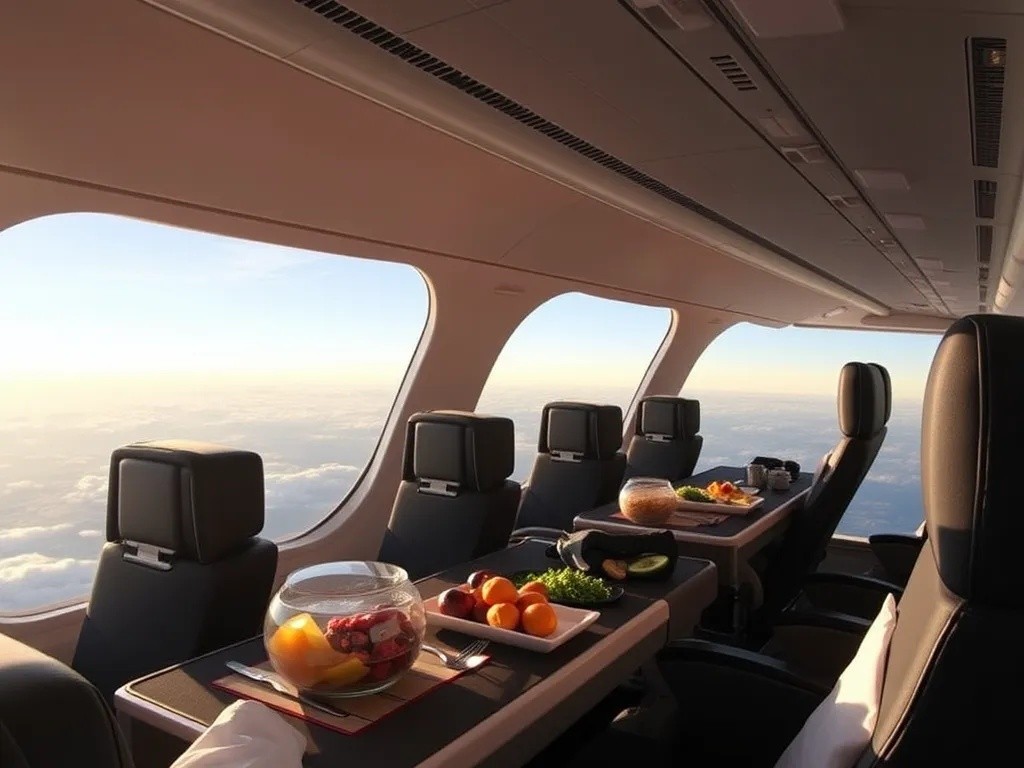
Special Considerations for Frequent Flyers
If you fly regularly for business or pleasure, developing sustainable healthy eating habits becomes even more important. Frequent travelers should establish routines that minimize the cumulative health impacts of air travel.
Building Consistent Habits
Create a personal travel nutrition kit that you pack for every trip. This might include your favorite healthy snacks, electrolyte packets to add to water, herbal tea bags, and digestive enzymes or probiotics. Having these familiar items helps maintain consistency even when everything else about your environment is changing.
Conclusion
Eating healthy while flying around the world requires planning, awareness, and commitment, but the benefits are well worth the effort. By packing nutritious snacks, making informed choices about airline meals, staying properly hydrated, and being mindful of your eating schedule across time zones, you can arrive at your destination feeling refreshed and ready to enjoy your travels. Remember that occasional indulgences are perfectly fine—the goal is to make healthy choices most of the time so that your travel experiences enhance rather than detract from your overall well-being. With these strategies in hand, you're well-equipped to maintain your health and energy no matter how far your adventures take you.
