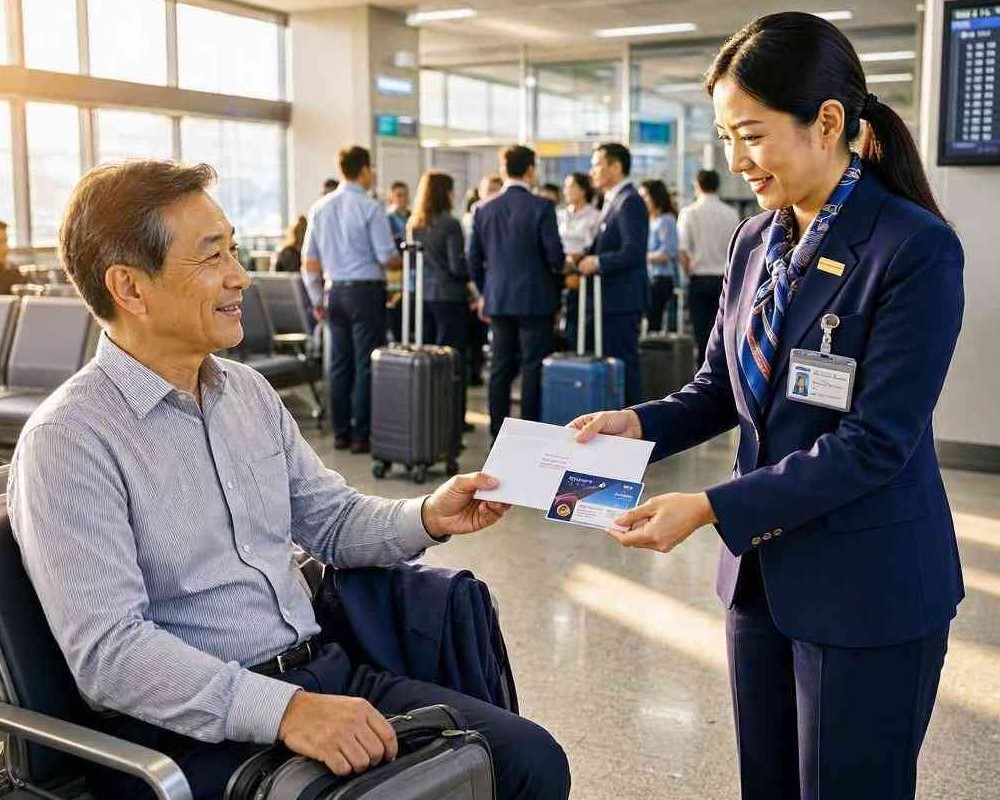
An oversold flight can disrupt your plans, but it can also create a profitable opportunity. Airlines sometimes sell more tickets than an aircraft has seats because they expect some passengers to miss the flight. When everyone arrives, the carrier must find travelers willing to leave voluntarily or deny boarding to selected passengers.
Knowing the difference between voluntary and involuntary bumping can help you negotiate effectively, protect your rights, and avoid accepting an offer that costs more than it provides.
Why Airlines Overbook Flights
Airlines use historical data to predict how many ticketed passengers will not appear. Overbooking allows them to fill seats that might otherwise remain empty. Forecasts are not always accurate, however, especially during holidays, major events, and periods of widespread disruption.
A passenger may also be bumped when an airline replaces an aircraft with a smaller model or needs seats for crew members. Compensation rules can depend on the reason, location, itinerary, and whether the traveler volunteered.
Voluntary Bumping Is a Negotiation
Before denying boarding, airlines generally ask for volunteers. The initial offer may include a travel voucher, meal allowance, hotel room, or confirmed seat on a later flight. There is usually no legally fixed payment for volunteers, so passengers can ask for better terms.
Offers often rise when too few people accept. A gate agent might begin with a modest voucher and increase it substantially as departure approaches. Travelers with flexible schedules may earn hundreds of dollars in flight credit by waiting rather than accepting immediately.
How Involuntary Bumping Compensation Works
In the United States, Department of Transportation rules may require compensation when a passenger with a confirmed reservation is involuntarily denied boarding because a flight is oversold. Payment generally depends on the ticket price and the length of the arrival delay caused by alternative transportation.
Short delays may produce no compensation, while longer delays can qualify for a multiple of the one-way fare, subject to a federal limit. Thresholds differ for domestic and international itineraries departing from the United States. The limits are adjusted periodically, so travelers should check current DOT guidance and the written notice supplied by the airline.
When Payment May Not Be Required
Denied boarding rules do not protect every passenger in every situation. Compensation may be unavailable if the traveler missed the check-in deadline, lacked required documents, could not be accommodated because of safety or weight restrictions, or was affected by an aircraft change involving a smaller plane. Cancellations and ordinary operational delays follow different rules.
What to Ask Before Volunteering
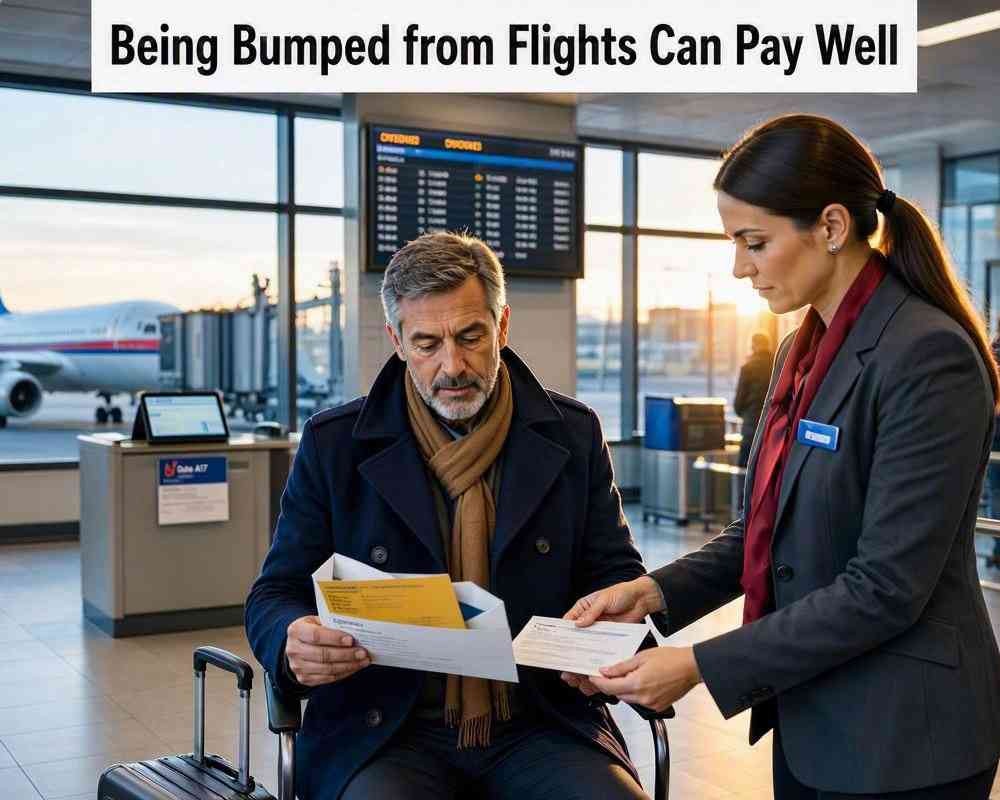
A large voucher is valuable only if its restrictions fit your travel habits. Before surrendering a seat, request clear answers and written confirmation.
- Is the replacement flight confirmed or merely standby?
- Does the voucher expire, and are any travel dates blocked?
- Can the credit be transferred or used for another passenger?
- Will the airline provide meals, a hotel, and ground transportation?
- Are checked bags being moved to the new flight?
- Will accepting the offer affect eligibility for other compensation?
Cash Can Be Better Than Credit
Airline credit may look equivalent to cash, but expiration dates, fare restrictions, and limited usability reduce its practical value. Involuntarily bumped passengers who qualify under US rules are entitled to compensation in an accepted payment form rather than being forced to take a voucher. A traveler may choose a voucher, but should compare its benefits with the payment otherwise owed.
Strategies for Getting a Better Deal
- Choose flights with later departures available, reducing the risk of an overnight delay.
- Travel with carry-on luggage so changing flights is easier.
- Stay near the gate and listen as the airline increases its offer.
- Ask whether everyone who volunteers will receive the highest final amount.
- Calculate the real cost of missed work, reservations, connections, and transportation.
- Photograph boarding passes, receipts, offers, and written notices.
Do not volunteer when timing is critical or when the alternative route is uncertain. Travel insurance and credit card benefits may cover some expenses, but policies often exclude voluntary decisions.
Turn Disruption Into a Smart Opportunity
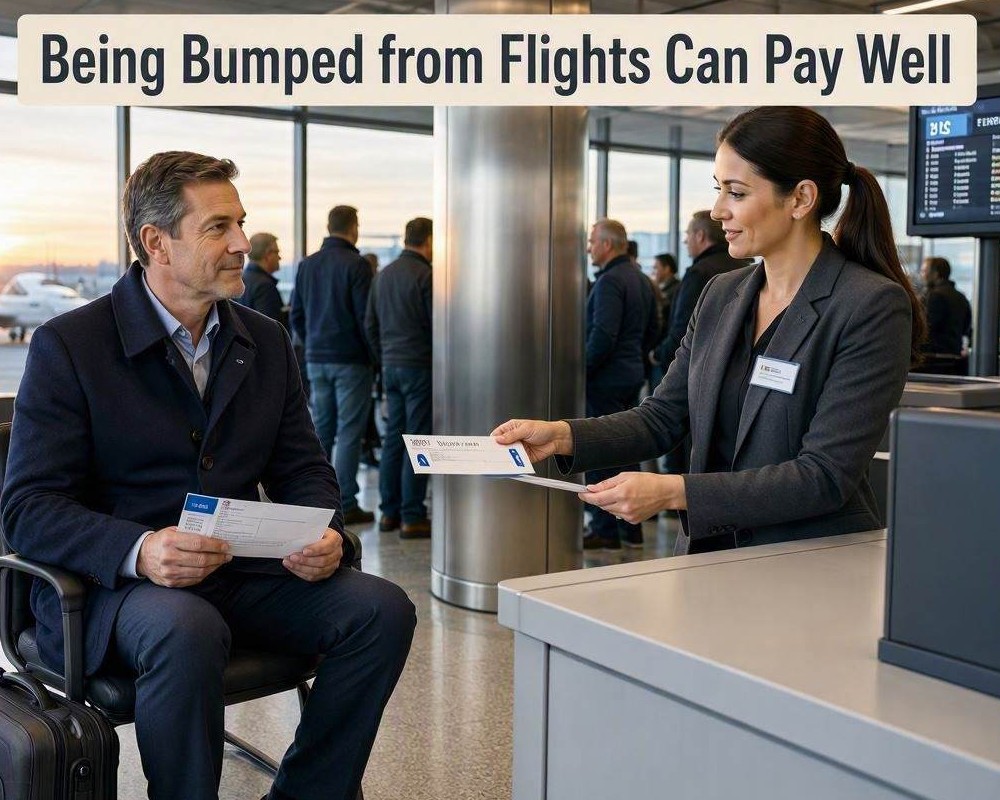
Being bumped can pay well for a flexible, informed passenger. The best outcome comes from understanding whether the airline is seeking volunteers, confirming every benefit in writing, and evaluating the full impact of the delay. A generous offer is worthwhile only when it exceeds the financial and practical cost of giving up the seat.
