The middle seat on an airplane is often considered the worst seat in the cabin. Cramped between two passengers, with no aisle access and limited armrest space, it's a position that most travelers desperately try to avoid. However, with the right strategies and planning, you can dramatically increase your chances of securing a better seat. This comprehensive guide will show you exactly how to escape the middle seat nightmare and enjoy a more comfortable flight experience.
Understanding Why the Middle Seat is So Unpopular
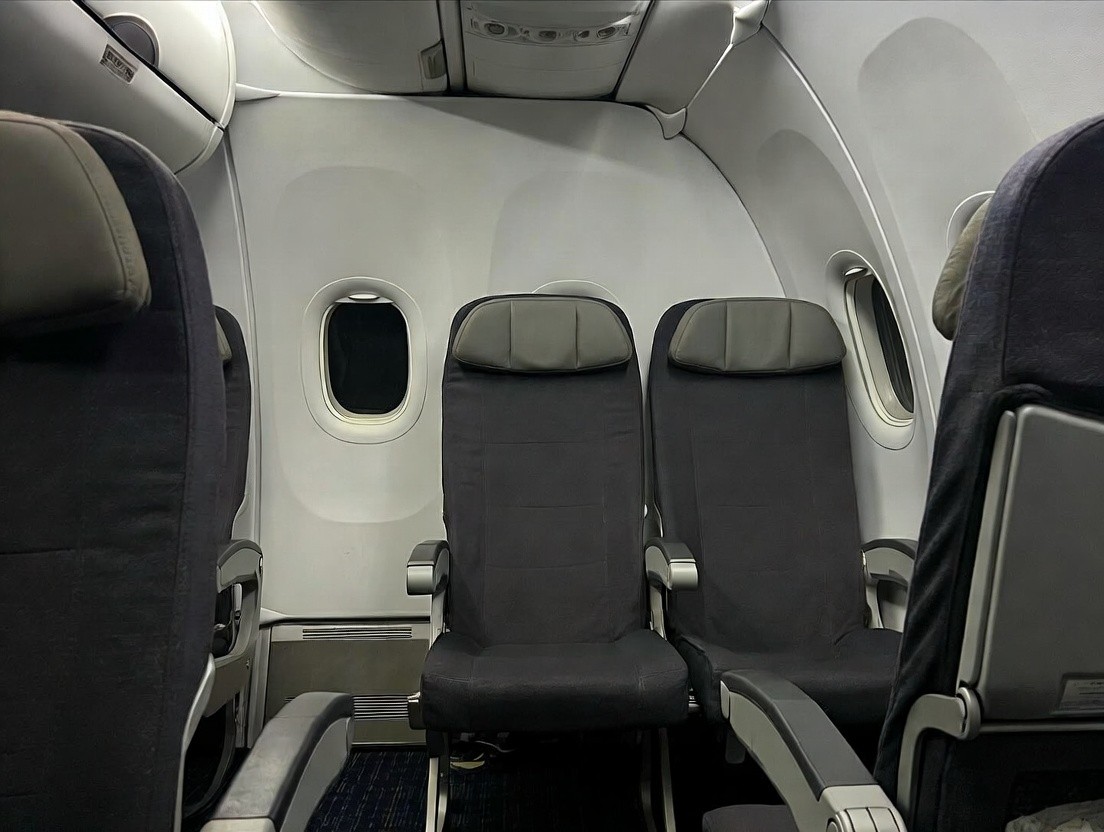
Before diving into solutions, it's important to understand why travelers hate the middle seat so much. The middle seat offers the least desirable experience compared to window and aisle positions. Window seats provide a wall to lean against and a view, while aisle seats offer easy bathroom access and the ability to stretch your legs. The middle seat passenger gets none of these benefits. Instead, they're squeezed between two neighbors, share both armrests, and have no personal space for comfort. Many experienced travelers consider it a fate worse than almost any other travel inconvenience.
Book Early and Choose Your Seat Immediately
The Importance of Timing
One of the most effective ways to avoid the middle seat is to book your flight as early as possible and select your seat immediately. Airlines typically open seat selection 24 hours before departure, and this is your golden opportunity. The best seats, particularly aisle and window seats, get claimed within minutes. By being among the first to select, you'll have maximum options available. Set a calendar reminder for exactly 24 hours before your flight departure time and book your preferred seat right then.
Strategic Seat Selection
When selecting your seat, prioritize aisle and window seats in this order: aisle seats for short flights or if you need bathroom access, and window seats for longer flights where you might want to sleep. If neither is available, consider booking a completely different flight rather than accepting a middle seat. Many airlines allow free changes, so exploring alternative departure times is worth the effort.
Leverage Airline Loyalty and Upgrades
Frequent Flyer Programs
Joining airline loyalty programs is one of the most underutilized strategies for avoiding bad seats. Elite frequent flyer members receive preferred seat access, allowing them to book premium economy or extra-legroom seats at discounted rates. Even basic membership often includes early seat selection or seat upgrade opportunities. Accumulate miles strategically on one or two airlines to achieve status faster. Higher status members can often request seat changes at the airport or even receive complimentary upgrades.
Check-In Tactics
Arrive at the airport early and head directly to the check-in counter. Friendly interactions with gate agents can work wonders. Explain that you have a medical condition or reason for needing a particular seat, and ask if they can help relocate you. While this isn't guaranteed to work, gate agents often have the authority to make seat changes, especially on less full flights. Be polite, genuine, and specific about your request.
Purchase Premium Seating Options
Extra-Legroom and Premium Seats
Most airlines offer premium economy or extra-legroom seats for an additional fee. While this adds to your ticket cost, the improved comfort often justifies the expense, especially for flights longer than three hours. These seats are virtually never middle seats and include amenities like extra space, priority boarding, and sometimes complimentary drinks. Prices vary significantly based on flight demand, so compare options across different booking dates.
Business and First Class
If you're a frequent business traveler or want to splurge occasionally, upgrading to business or first class eliminates middle seat concerns entirely. Many airlines offer standby upgrades at reasonable rates, particularly for elite frequent flyers or when booking premium economy seats. This is especially worthwhile for long-haul international flights where comfort truly matters.
Use Technology and Airline Apps
Seat Tracking Tools
Several apps and websites track seat availability in real-time, showing which seats are being selected by other passengers. Tools like ExpertFlyer allow you to monitor your flight and receive alerts when better seats become available. As other passengers cancel or change bookings, premium seats often open up unexpectedly. With an alert, you can immediately snatch these opportunities.
Mobile Apps for Last-Minute Changes
Use airline mobile apps to check your flight status and seat assignments leading up to departure. Some airlines allow free seat changes up to 24 hours before flight time through their app, providing another opportunity to escape a middle seat if you somehow ended up with one.
Alternative Strategies and Pro Tips
Fly Off-Peak Hours
Early morning or late-night flights are typically less full, meaning more empty seats and better selection options. These flights are less popular with casual travelers but beloved by people trying to avoid middle seats. Additionally, flying on Tuesdays, Wednesdays, and Saturdays generally sees lighter traffic than Friday and Sunday flights.
Choose Less Popular Routes
Major routes between hub cities are always crowded, while smaller regional routes often have empty middle and even some premium seats. If your schedule permits, choosing a flight with a connection to your final destination might actually result in better seat selection and fewer crowds.
Travel Light and Board Last
While less direct, boarding later can sometimes reveal seat options as the flight configuration becomes clear. However, this strategy is less reliable than the previous methods and should be a last resort.
Final Thoughts
Avoiding the middle seat doesn't require luck—it requires planning and knowledge. By booking early, leveraging loyalty programs, using technology, and being willing to pay for premium seats when necessary, you can virtually guarantee that you never suffer through a middle seat experience again. Comfortable flying is within your control, and these strategies will transform your travel experience from dreadful to delightful.
