For many years, airport food had a reputation that was hard to ignore: overpriced, bland, and often disappointing. Travelers, including those from Russia, were used to grabbing a quick sandwich or coffee simply out of necessity rather than enjoyment. However, in recent years, a noticeable shift has taken place. Airport food is finally getting better — not just slightly improved, but in some cases genuinely good.
This transformation reflects broader changes in travel culture, passenger expectations, and the global food industry. Today, airports are no longer just transit hubs — they are becoming full-scale lifestyle spaces where dining plays a significant role. For Russian travelers, especially those flying internationally or frequently using major hubs, this shift is becoming increasingly visible.
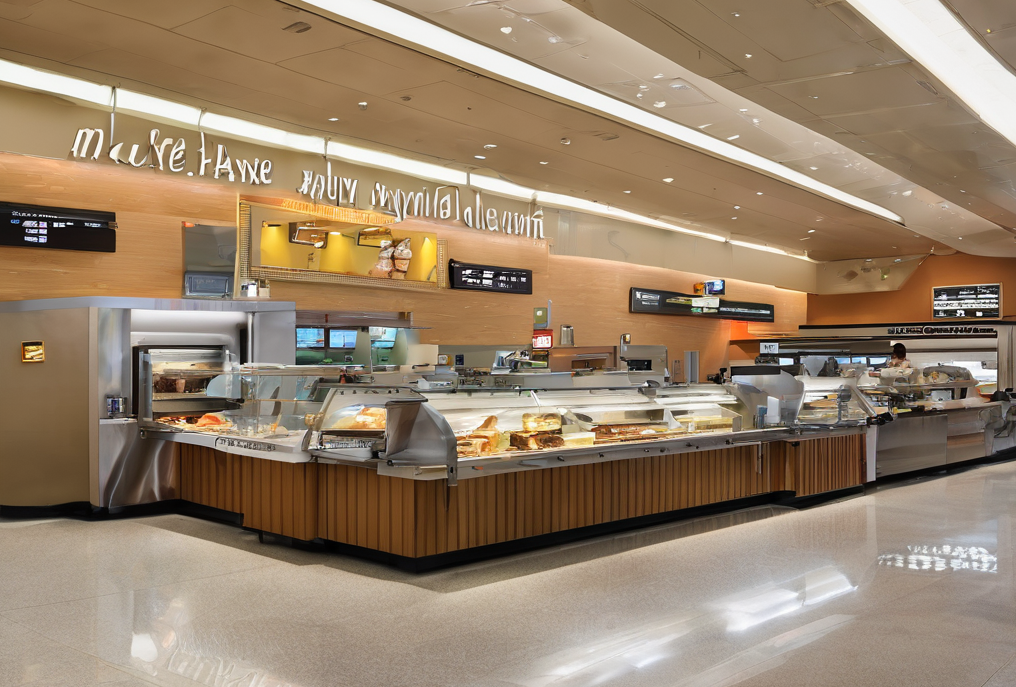
Why Airport Food Used to Be So Bad
To understand the current improvements, it is important to look at why airport food had such a poor reputation in the first place.
Main reasons for low quality in the past
- limited competition inside terminals;
- high rental costs for vendors;
- focus on speed rather than quality;
- restricted logistics and storage conditions;
- low expectations from passengers.
For Russian travelers flying in the 2000s and early 2010s, this meant relying on simple and often overpriced options. Many people preferred to eat before arriving at the airport or bring their own food.
What Has Changed in Recent Years
The transformation of airport food did not happen overnight. It is the result of several global trends converging at once.
Key drivers of improvement
- increased passenger expectations;
- growth of international travel;
- competition between airports;
- expansion of well-known restaurant brands;
- focus on customer experience.
Airports are now competing not just on flight connections, but also on overall comfort. Food quality has become a key part of that experience.
The Rise of Recognizable Brands
One of the biggest changes has been the arrival of well-known restaurant chains and local culinary brands inside airports.
What this means for travelers
- more predictable quality;
- familiar menus;
- better hygiene standards;
- consistent service levels;
- wider variety of cuisines.
For Russian passengers, this is especially helpful when traveling abroad. Recognizable brands reduce uncertainty and make it easier to choose where to eat.
Local Cuisine in Airports
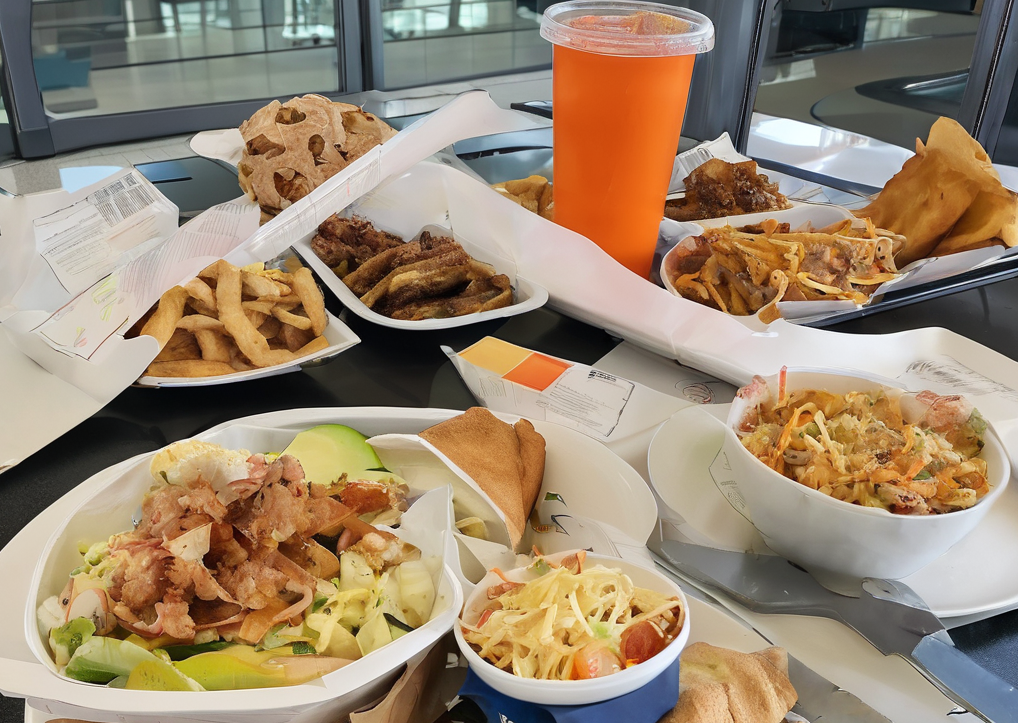
Another important trend is the introduction of local food concepts. Airports are increasingly showcasing regional cuisine rather than offering generic fast food only.
Benefits of local food options
- opportunity to try regional dishes;
- more authentic travel experience;
- support for local businesses;
- greater diversity in menus.
For Russian travelers, this can turn even a short layover into a cultural experience. Trying local food at the airport can be a convenient introduction to a new country.
Healthier Choices Are Becoming Standard
Modern travelers are more conscious about what they eat. Airports have responded by offering healthier options.
Common healthy alternatives
- fresh salads and bowls;
- vegetarian and vegan dishes;
- low-calorie meals;
- fresh juices and smoothies;
- high-protein snacks.
For Russian passengers who may be on long journeys or connecting flights, having access to balanced meals can make a significant difference in comfort and energy levels.
Improved Dining Spaces
It is not just the food that has improved — the environment has also changed. Airports are investing in better-designed dining areas.
What has improved
- more seating options;
- quieter and more comfortable spaces;
- charging stations for devices;
- modern interior design;
- clear navigation and signage.
For travelers from Russia, especially those on long-haul flights, this creates a more relaxed and enjoyable waiting experience.
Technology and Convenience
Technology has also played a role in improving airport dining.
New digital solutions
- self-service kiosks;
- mobile ordering;
- contactless payment systems;
- real-time menu updates;
- delivery to gate in some airports.
Russian travelers, who are increasingly привыкли to digital services, benefit from faster and more convenient ordering processes.
Is Airport Food Still Expensive?
One issue that has not completely disappeared is pricing. Airport food is still often more expensive than in the city.
Why prices remain high
- high operational costs;
- security and logistics requirements;
- limited competition in some terminals;
- premium positioning of services.
However, many travelers now feel that the improved quality justifies the price. For Russian passengers, especially those traveling internationally, the gap between cost and value is becoming more acceptable.

Tips for Getting Better Food at Airports
Even with improvements, it is still useful to know how to choose the best options.
Practical advice
- look for busy restaurants — they usually have fresher food;
- check menus online before arriving;
- explore different terminals if possible;
- avoid peak hours for better service;
- consider local cuisine spots for unique experiences.
For Russian travelers, planning ahead can make the airport dining experience much more enjoyable.
What This Means for Russian Travelers
The improvement in airport food reflects a broader shift in how travel is experienced. For Russian passengers, this means less stress, better comfort, and more enjoyable journeys.
Whether flying for business, vacation, or visiting family, travelers now have access to food that is not just acceptable but often genuinely satisfying. This is particularly important for long flights, layovers, and international routes where food quality can impact the overall trip.
The Future of Airport Dining
The trend toward better airport food is likely to continue. Airports are investing heavily in passenger experience, and food is a central part of that strategy.
What to expect in the future
- more premium dining concepts;
- greater focus on sustainability;
- expanded digital services;
- personalized food options;
- integration with travel apps.
For Russian travelers, this means that future journeys may include dining experiences comparable to those in major city restaurants.
Conclusion
Airport food is no longer something to endure — it is becoming something to enjoy. The shift from basic, overpriced meals to diverse and higher-quality options marks a significant improvement in the travel experience.
For Russian passengers, this change brings practical benefits: better meals, more comfort, and less reliance on pre-trip preparation. While prices may still be higher than outside the airport, the overall value has improved considerably.
In the end, airport dining is finally catching up with modern expectations. And for travelers around the world, including those from Russia, that is a welcome change.
